Skip to content

Potato doughs: pierogi, gnocchi, dumplings

A dough with a consistent texture that does not darken. Semolina and powder instead of boiled and mashed potatoes.

  • semolina 0.01–1 mm
  • the same dough in January and in July
  • 100% potato
  • organic versions
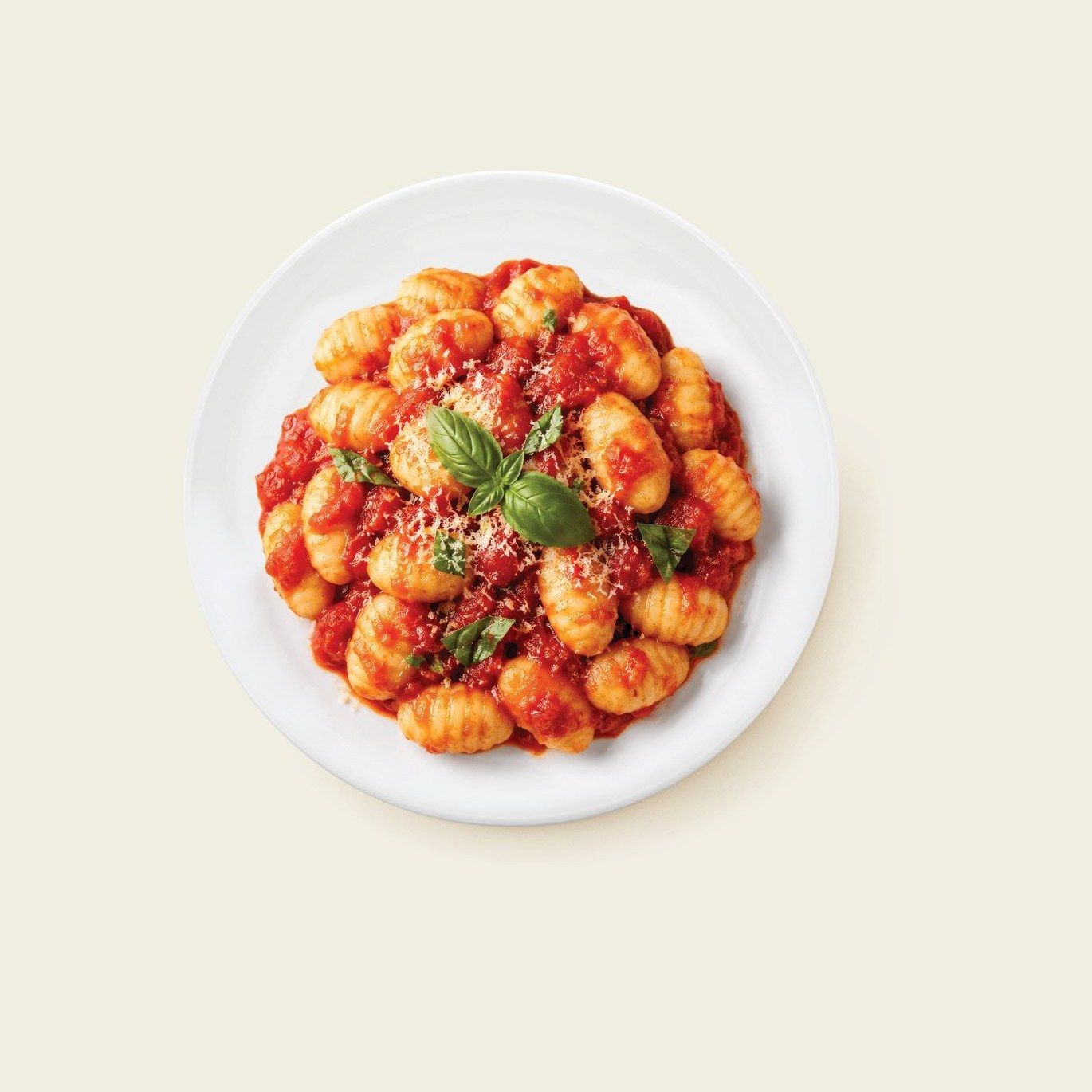
GnocchiServing suggestion

A dough made from fresh potatoes changes twice: with the variety and with standing time. Dehydrated potato removes both variables, because the water is added rather than pressed out of the raw material.

Problem and solution

Where dehydrated potato pays for itself

Pierogi dough and kopytka

Problem

Mashed potato releases water as it stands, so pierogi made at the start of a shift behave differently from those made at the end.

What dehydrated potato brings

Semolina 0.01–1 mm or powder gives a smooth dough with a consistent texture. The whole batch can be formed in advance.

Silesian dumplings and knedle

Problem

In kluski and knedle the texture should be noticeable, and the seam of a knedel has to hold after forming and after freezing.

What dehydrated potato brings

Semolina 0.5–1 mm leaves noticeable particles of potato in the dough. The dough does not release water on the tray.

Recommended products:Potato semolina 0.01–1

Gnocchi

Problem

Whether gnocchi fall apart depends on the starch in the potato variety – a variable the kitchen does not control.

What dehydrated potato brings

A mix or 0.1–1 mm semolina closes that variable: forming from water, without boiling potatoes.

Recommended products:Potato semolina 0.01–1Gnocchi
Selection

Choosing the form for the dish

The final choice of fraction is confirmed by a food technologist in a trial.

DishProductFraction
Pierogi (dough and filling)semolina or powder0.01–1 mm
Gnocchisemolina0.1–1 mm
Kopytkasemolina0.01–1 mm
Silesian dumplingssemolina0.5–1 mm
Knedle (potato dumplings)semolina or powder0.5–1 mm
Proof

A trial in a real process

Silesian dumplings from a mix – from dry mix to plate, without boiling or mashing potatoes.

PDF1:1 replacement trial protocolA sheet for recording results: reference batch, dosage, water adjustment, assessment.
FAQ

Questions from this industry

Potato dough is dough in which the potato component replaces part of the flour: the base of pierogi, gnocchi, dumplings and knedle. In industrial production that component is usually milled dried potato rather than boiled potatoes, which keeps the composition the same in every batch. Semolina of 0.01-1 mm gives a noticeable potato texture, powder of 0.01-0.5 mm a smooth dough.

Hydrate the dried potato with water, let the mass stand and then shape it, with no boiling, cooling or mashing. The starting water ratio is given in the item specification, and the final ratio is set by a technologist in a trial. For a ready instant mix the ratio comes from the data sheet, for example 309 g of mix to 750 ml of water.

Powder of 0.01-0.5 mm where the dough and the filling should be smooth, semolina of 0.01-1 mm where a potato texture should stay noticeable. For a finished dough there are the instant mixes for Silesian dumplings, potato dumplings and gnocchi, made up with water in the ratio from the data sheet. The choice between fractions is confirmed in a trial.

No - unlike dough made from fresh potatoes, it keeps its light colour throughout the process, because the raw material is already dried. That is why the mass can be prepared and shaped ahead of service, which changes the order of work on the line. The composition is the same in every batch, whatever the variety or the season.

Potato powder gives a smooth dough and filling; semolina gives a noticeable potato texture. Powder covers 0.01-0.5 mm at 930 g/l, semolina 0.01-1 mm at 860 g/l, which also changes the doser setting. We confirm the choice in a trial, usually on two fractions at once, and samples of both go out on the same recipe.

Yes - doughs made from dehydrated potato cope well with freezing and thawing, and they keep their light colour through the process. We confirm the parameters in a trial on your line, because the freezing method and the packaging also matter. The composition is the same in every batch, so the result does not move with the season.

Knowledge base

Guides on this topic

Other applications

The same line, a different industry

Describe your process and volume and a food technologist will select the fraction and starting parameters – write to our sales team.