Dehydrated potato – cubes, grits, powder
Dehydrated potatoes in six forms – from 10×10×7 mm cubes to 0.01 mm granules – with a single ingredient on the label. Powder and granules replace potato flakes 1:1, while cubes and sticks give a visible piece of potato in the dish.
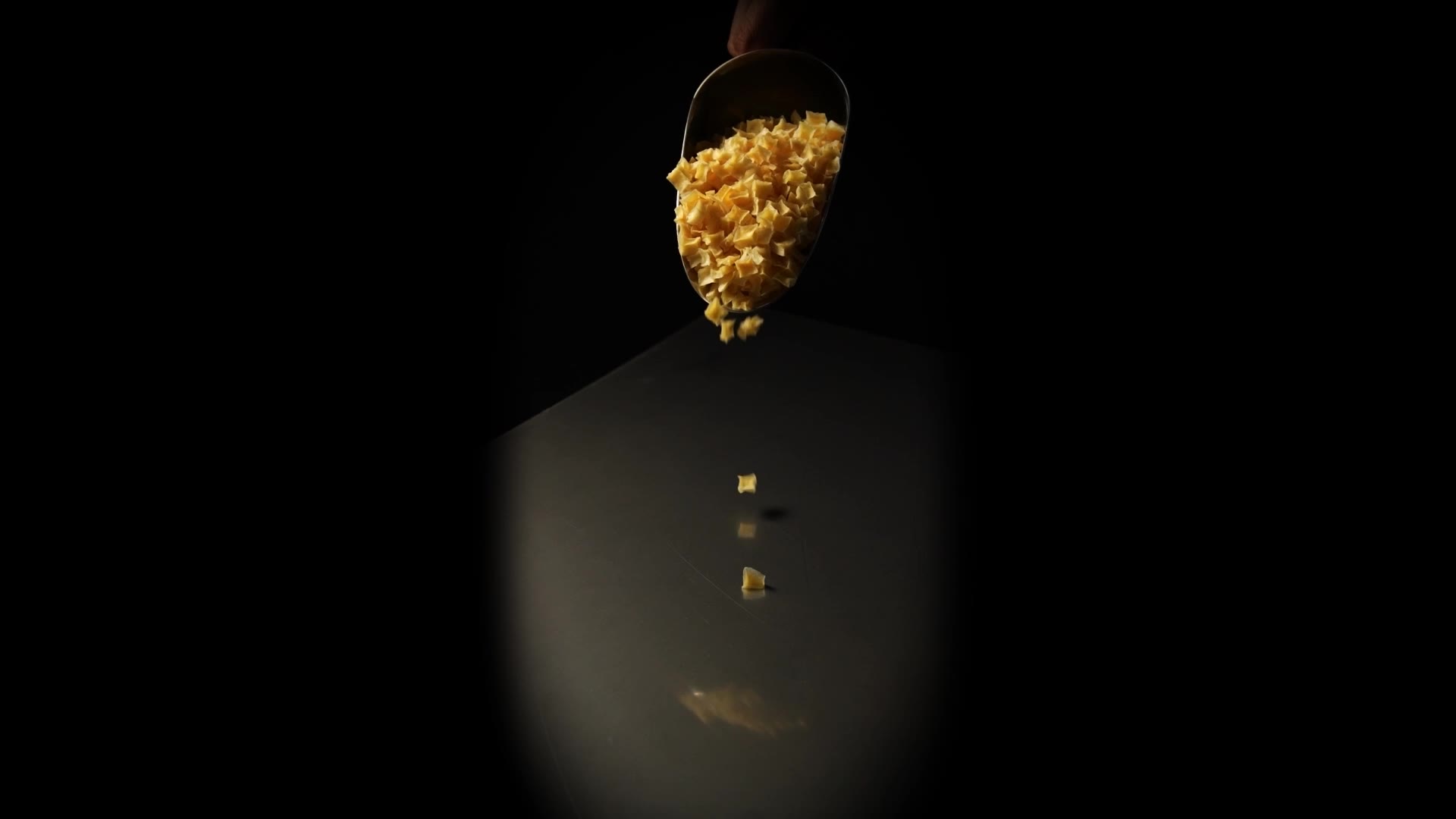
Six forms, one ingredient
| Product photo | Product | Fraction or dimensions | Typical applications | Product page |
|---|---|---|---|---|
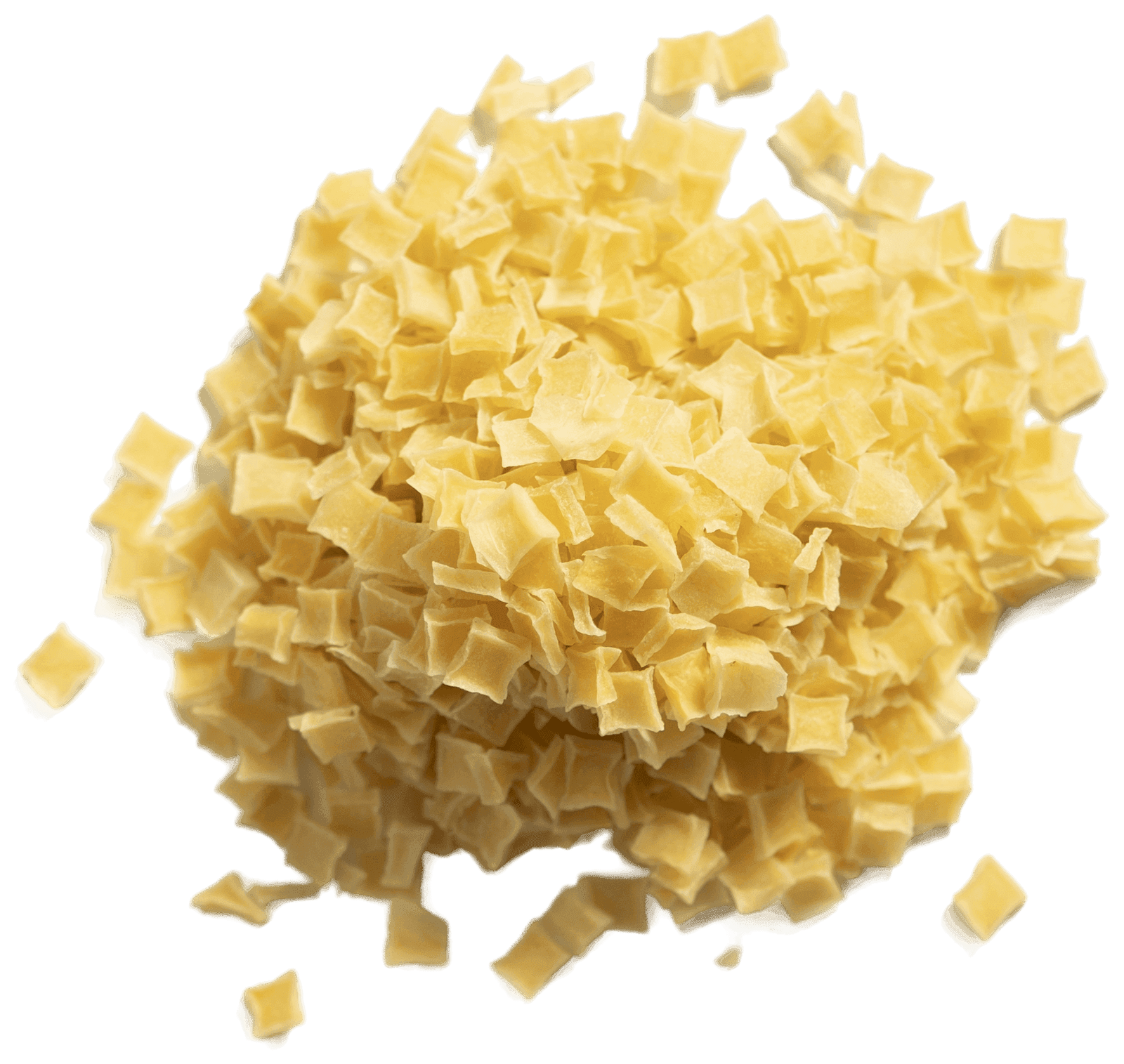 | Potato cubes | 10×10×7 · 10×10×2 mm | ready meals, soups, bakery, salads · standard / organic | |
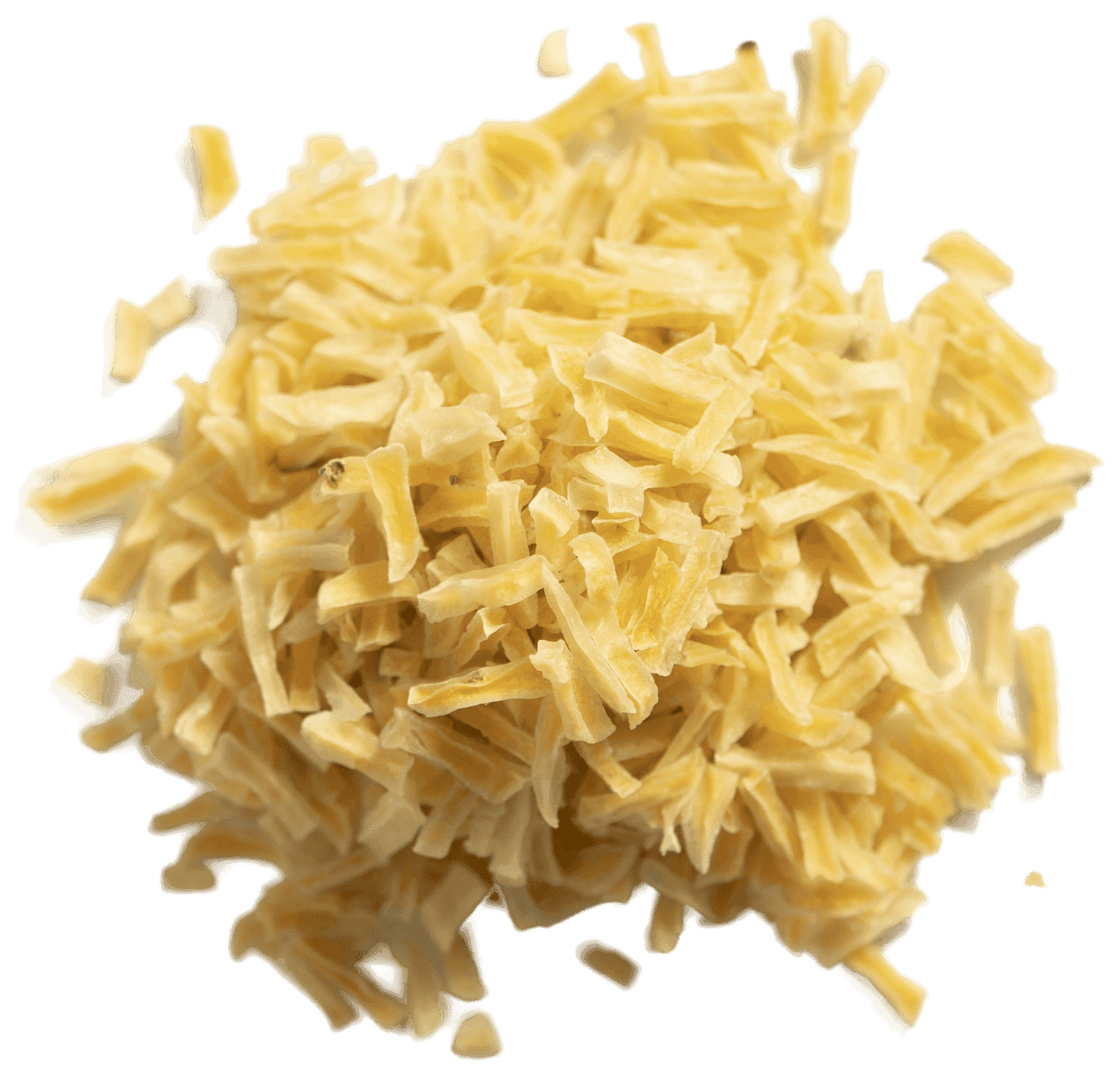 | Potato sticks | 15×2×2 · 20×3×2 · 3×3×6 mm | ready meals, soups, salads, tortilla de patatas · standard / organic | |
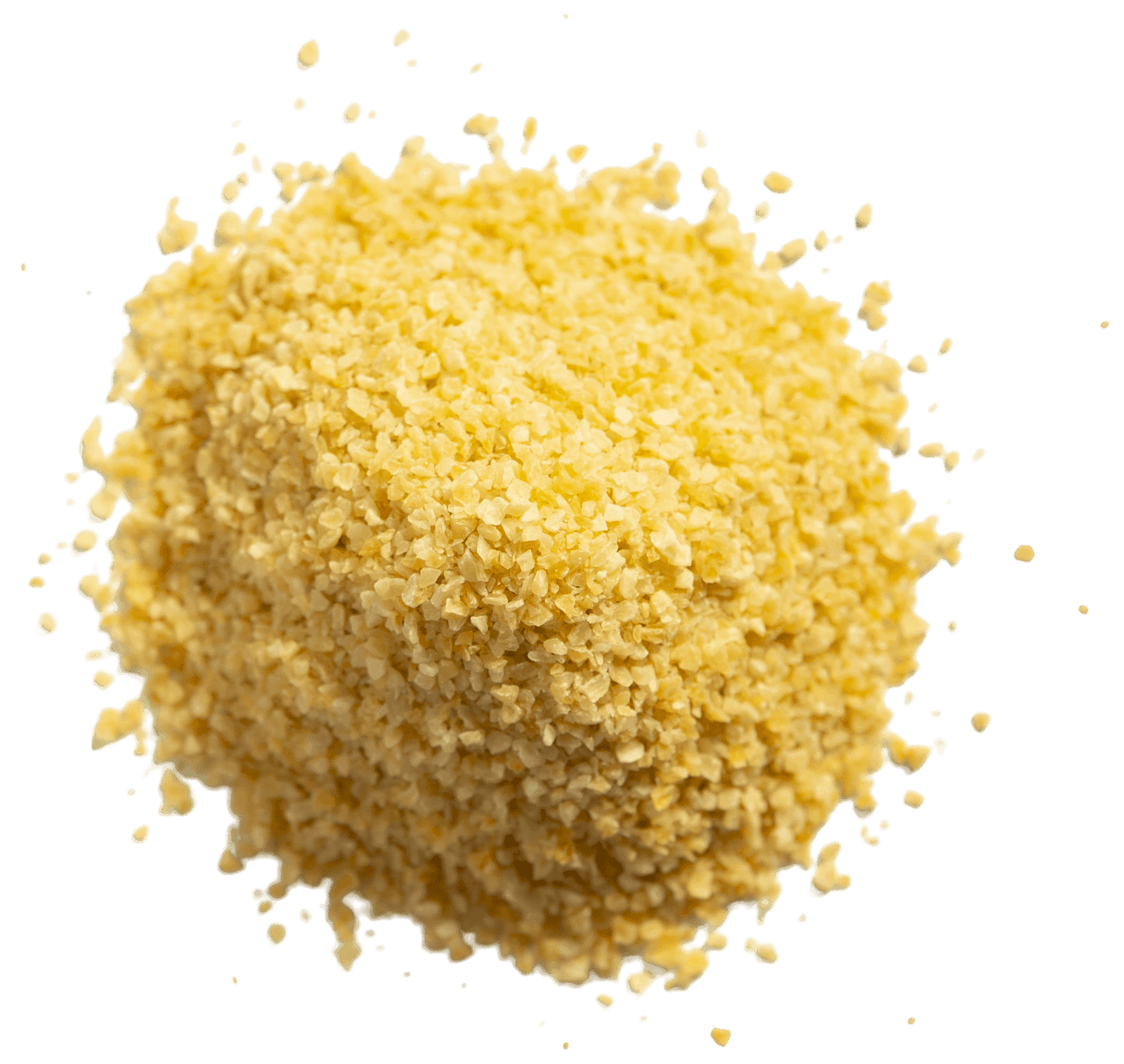 | Potato grits | 1.5–2.5 mm · 670 g/l | baked goods, seasonings, toppings, coatings · standard / organic | |
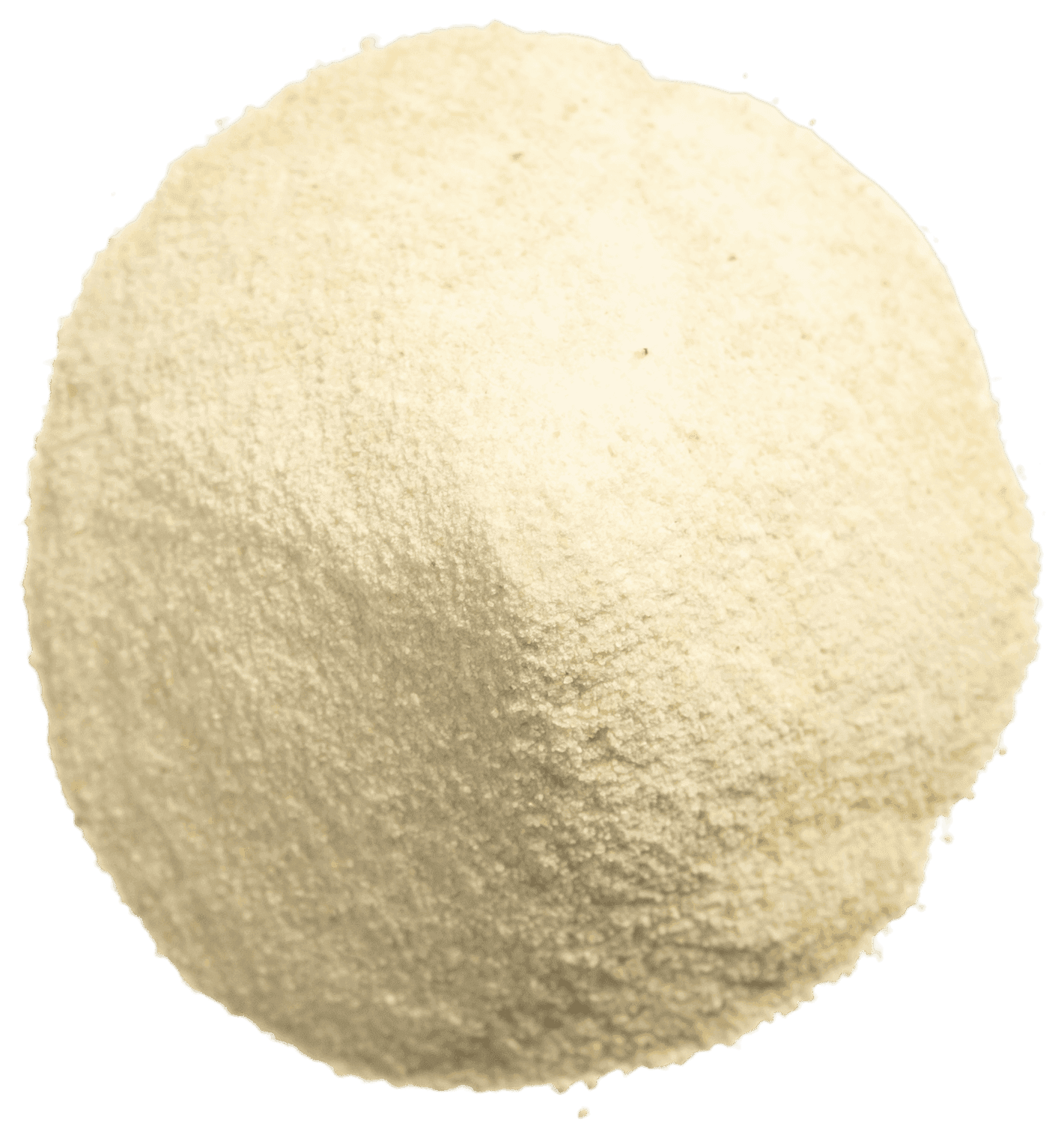 | Potato semolina (fine grits) | 0.01–1 mm · 5 fractions | dumplings, gnocchi, potato doughs, fillings, pancakes · standard / organic | |
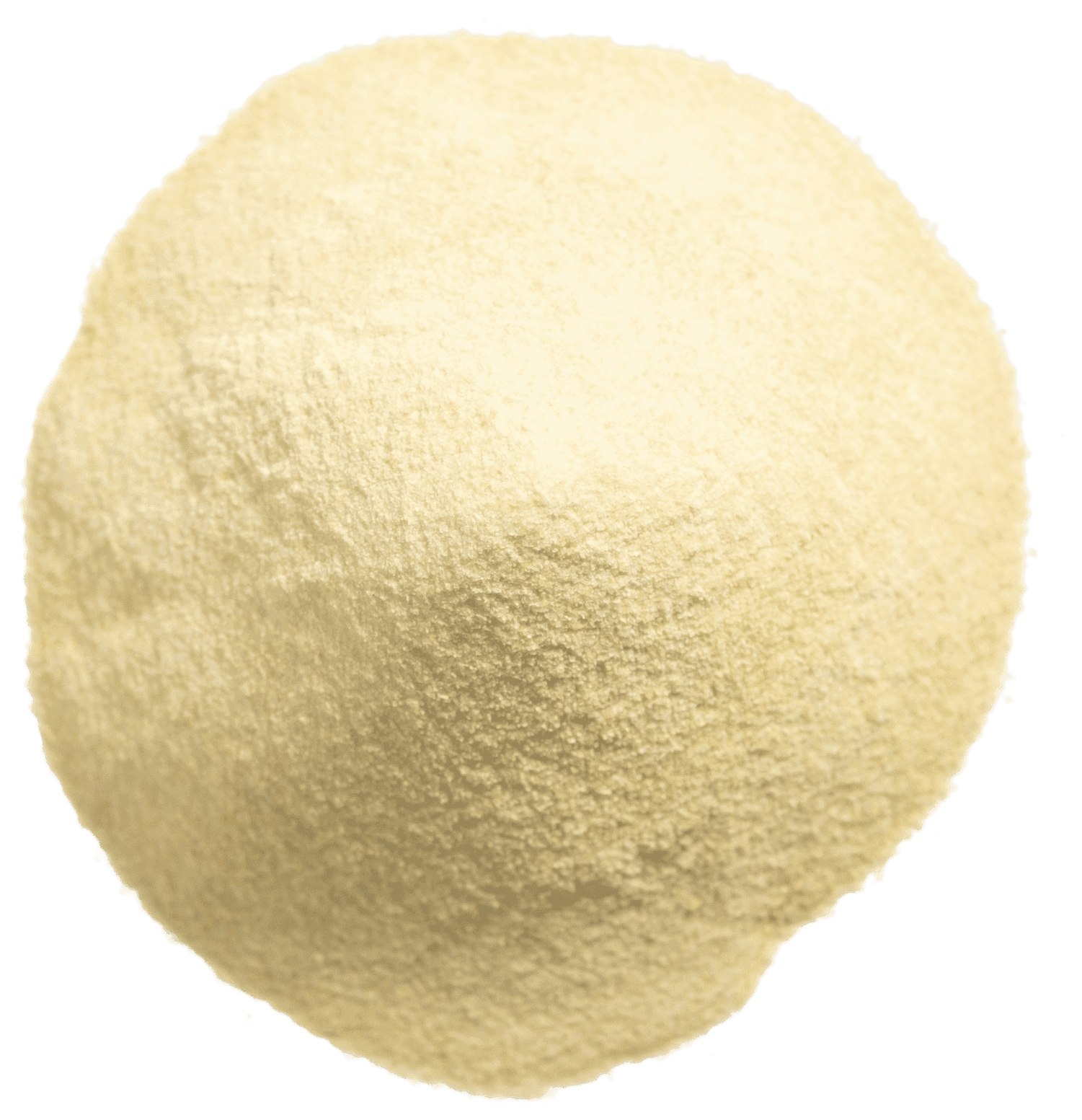 | Potato powder | 0.01–0.5 mm · 4 fractions | doughs, fillings, baked goods, snacks · standard / organic | |
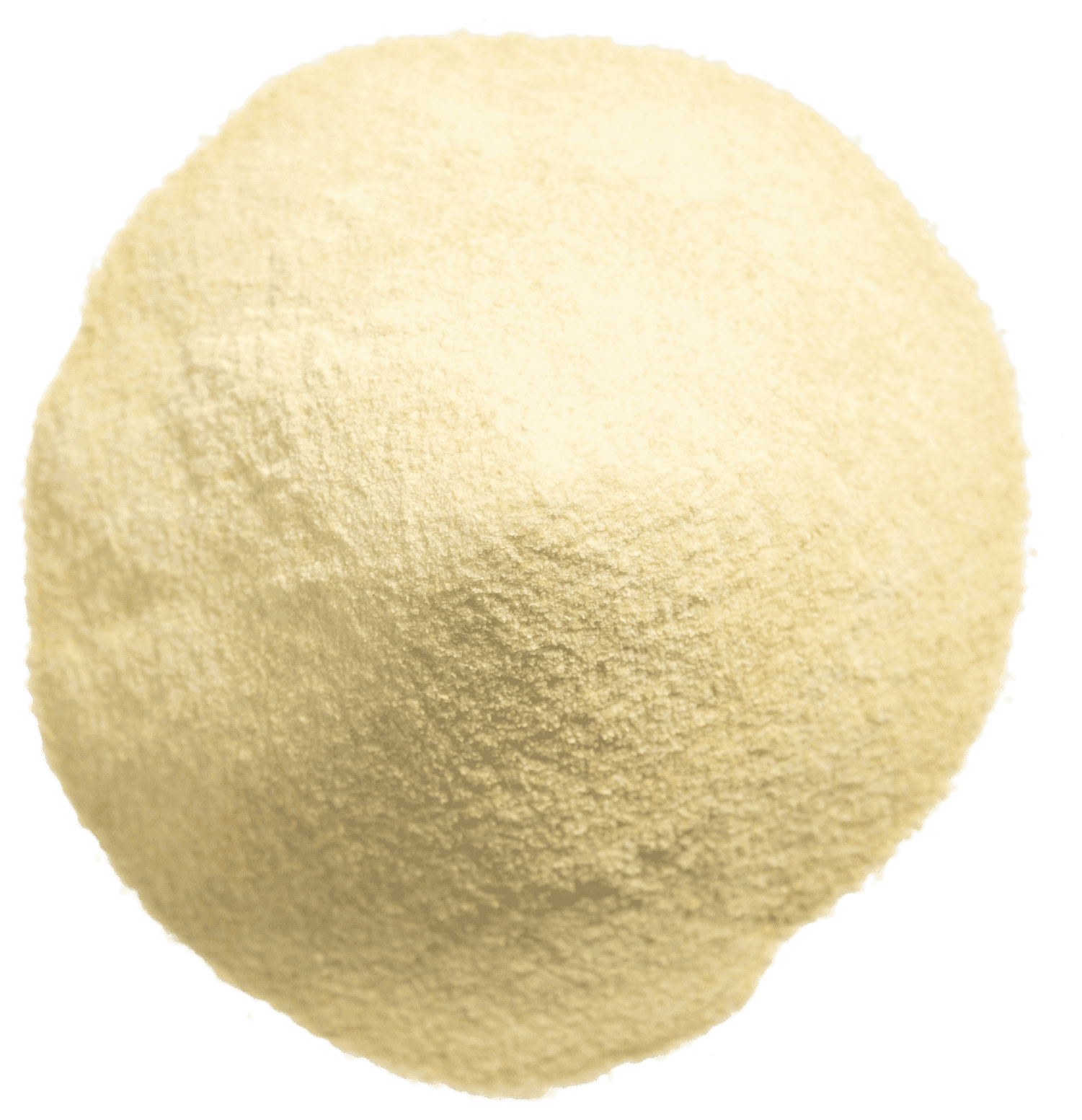 | Potato granules | 0.01–0.5 mm · 5 fractions | snacks, pellets, doughs, toppings · standard / organic |
Logarithmic scale: each successive mark is a particle ten times larger.
Haven’t found the product you are looking for?
We will develop a solution matched to your requirements.
At ECOCORE we do not limit ourselves to the standard range. We develop tailor-made solutions, adapting the composition, granulation and properties of the product to your recipe and your production process.
Tell us what you need. Together we will find a solution.
Describe what you needDehydrated potatoes all year round
We produce dehydrated potato all year round at our plant in Przykona, Poland. We buy potatoes under contract and on the open market and process them continuously – you get the same product in March and in October. Year-round production means availability and a stable price: the contract price does not depend on which month you call. You can order from a single bag, with no fixed MOQ – in 10, 15 and 25 kg bags or in a big bag.
From cubes to granules
Six forms side by side. The difference between 0.01–1 mm semolina and 0.1–0.5 mm powder is easier to show than to describe in a table.
Six forms of dehydrated potato side by side, from 10×10×7 mm cubes to 0.01 mm granules. The difference between fractions is best seen and felt between your fingers – which is why we send samples with no limit on the number of products.
Questions about dehydrated potato
Dehydrated potatoes are dried potato in six forms, from 10×10×7 mm cubes to 0.01 mm granules, with one item in the ingredient list: 100% potato, with no preservatives, emulsifiers or SO₂. The potato is cut, dried and only then milled into fractions, with no cooking before drying. Production runs 12 months a year, so the same item is available in March and in October.
They go wherever a potato component is needed without the water: cubes and sticks where a visible piece should stay in the dish, semolina and powder in doughs, fillings and bakery, coarse grits in bread, toppings and coatings, granules in extrusion. Powder and granules also replace potato flakes 1:1. The form decides the job, and the choice is confirmed in a trial.
For a plant the difference is in what the material needs: no sorting, peeling or cold store, a 12-month shelf life at up to 30 °C, and the same composition in every batch whatever the variety or season. Against that, the water has to be added back in the recipe. Which way the calculation falls depends on your process, so it is worth running one trial batch.
We dry cut pieces of potato and only then mill them into fractions, with no cooking before drying, so the ingredient list has one item: potato. Flakes are cooked and drum-dried, which is why their ingredient lists often carry emulsifiers or antioxidants. Powder and granules replace flakes 1:1, at the same dosing stage, with the water adjusted after the first trial.
Smooth mixtures and flake replacement: powder or granules, i.e. fractions up to 0.5 mm. Mixtures with a noticeable texture: 0.01-1 mm semolina. Baked goods, seasonings, coatings: 1.5-2.5 mm grits. A piece of potato in the dish: cubes or sticks. Extrusion: granules. The final choice is confirmed by a technologist in a trial, usually with two fractions sent on the same recipe.
"Potato powder" is the everyday name for our fine fractions: 0.01-0.5 mm powder and granules. Dehydrated potato is the wider category, because it also includes cubes, sticks, grits and semolina, the forms with a visible piece or grain of potato. All of them come from one raw material and carry one entry in the ingredient list.
In closed packaging, in a dry room free of foreign odours, up to 30 °C, at a recommended relative humidity of 75%, with no refrigeration. Shelf life is 12 months from the production date in unopened packaging, and the date is on the bag label with the batch number. After opening, close the bag tightly, because the material is hygroscopic.
From a single bag, no fixed MOQ. Packaging: 10 kg bag, 15 kg bag, 25 kg bag and big bag, on pallets of 120×100 or 120×80 cm with a maximum of 1,000 kg. The standard lead time is 14 days, and volume thresholds only come in with an annual contract, where they lower the price.
Guides on this topic
- Choosing the particle size: potato grits, semolina or granulesDehydrated potato comes in fractions from 0.01 mm to 2.5 mm, and choosing between them comes down to one question: should the potato grain stay noticeable in the finished product. A smooth mass needs powder or granules up to 0.5 mm, a textured mass needs semolina at 0.01-1 mm, and a visible speck needs coarse grits at 1.5-2.5 mm.
- How dehydrated potatoes are made - from tuber to powderDehydrated potato is made from cut pieces of potato that are dried first and milled into fractions afterwards. That order decides everything: what stays in the bag is the whole potato without the water, and the ingredient list has a single entry. Production runs 12 months a year.