Knowledge base: the technologist's guides
Practical guides on choosing dried potato forms, dosing and preparing instant mixes.
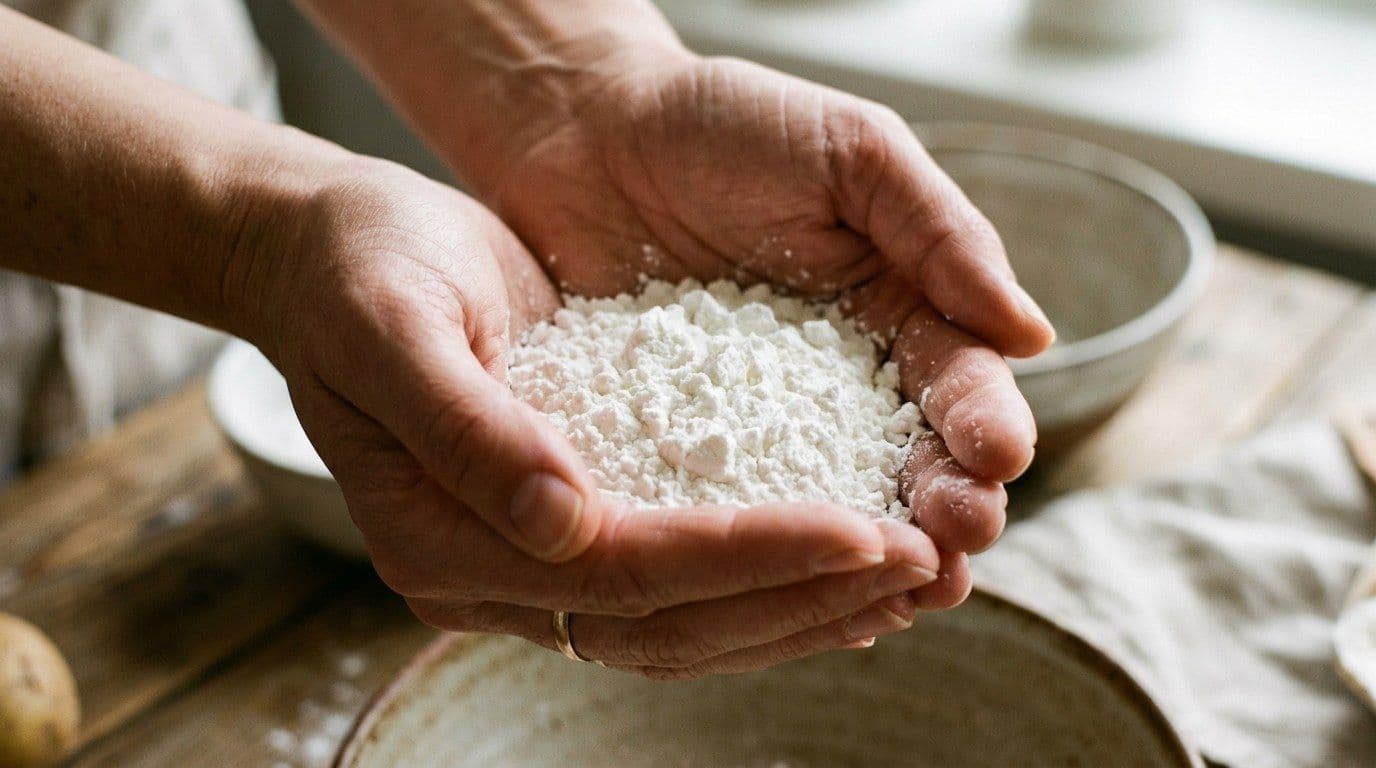
Potato flour vs potato starch: the difference in a recipe
Potato flour and potato starch are two different raw materials, not two names for one. Potato flour is the whole potato, dried and milled, with the colour, flavour and water binding of potato. Potato starch is the starch washed out of the tuber: white, neutral, a thickener. Confusing them is the most common sourcing error in this category.
Read
What are potato flakes and how are they made?
Potato flakes are cooked, mashed potatoes dried in a thin layer on a heated drum and broken into flakes. They exist to rebuild a potato mass quickly once water is added. In industrial recipes they serve as the base for mashed potato, doughs and bakery products - and in that role dehydrated whole potato replaces them at a 1:1 ratio.
Read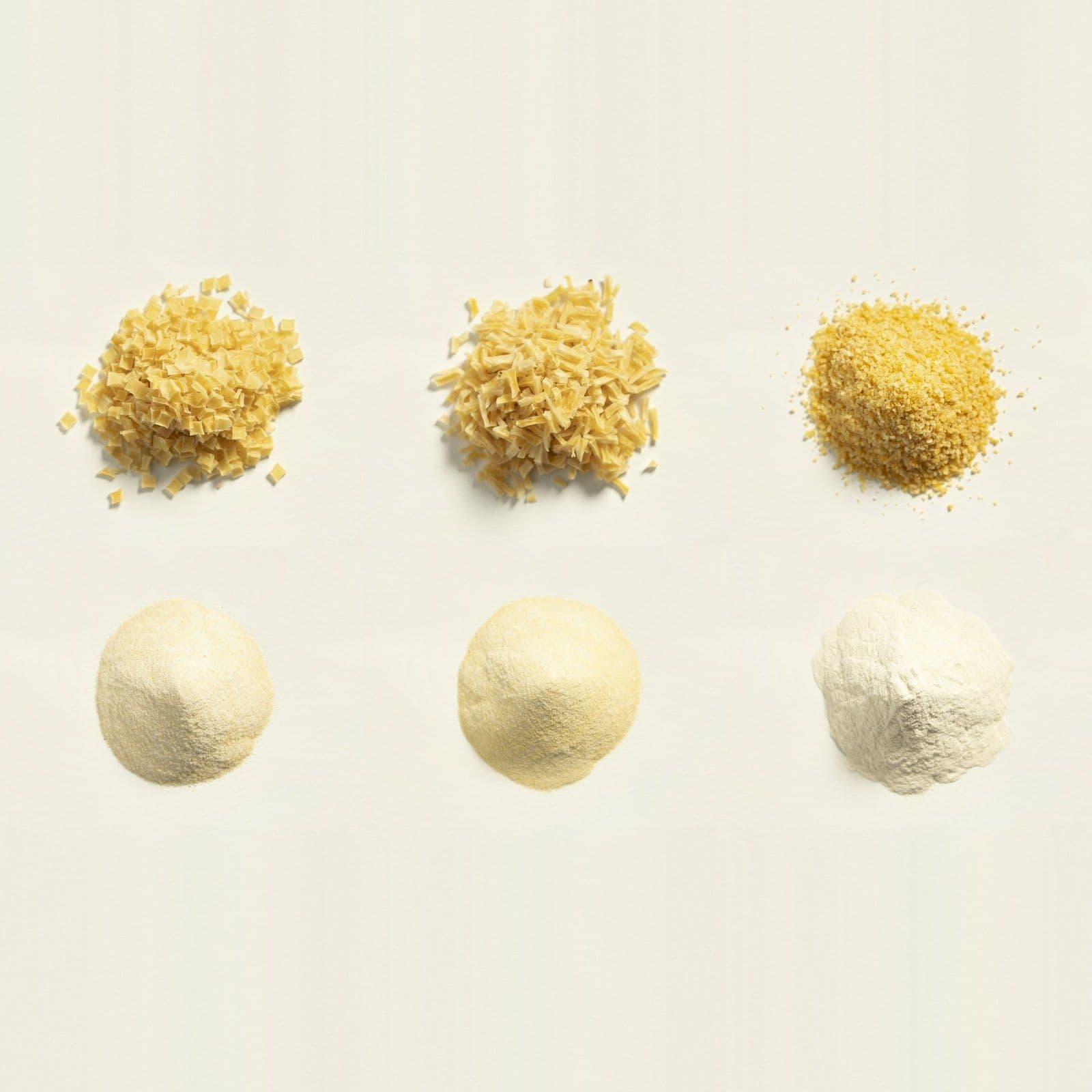
Glossary of dehydrated potato terms used in specifications
In enquiries about dehydrated potato the same thing goes by several names: potato flour, potato powder, potato granules. Below are the terms that most often need clarifying in a sourcing conversation and in a specification, grouped into four sets: forms and particle size, composition and quality, recipe, ordering and logistics.
Read
Choosing the particle size: potato grits, semolina or granules
Dehydrated potato comes in fractions from 0.01 mm to 2.5 mm, and choosing between them comes down to one question: should the potato grain stay noticeable in the finished product. A smooth mass needs powder or granules up to 0.5 mm, a textured mass needs semolina at 0.01-1 mm, and a visible speck needs coarse grits at 1.5-2.5 mm.
Read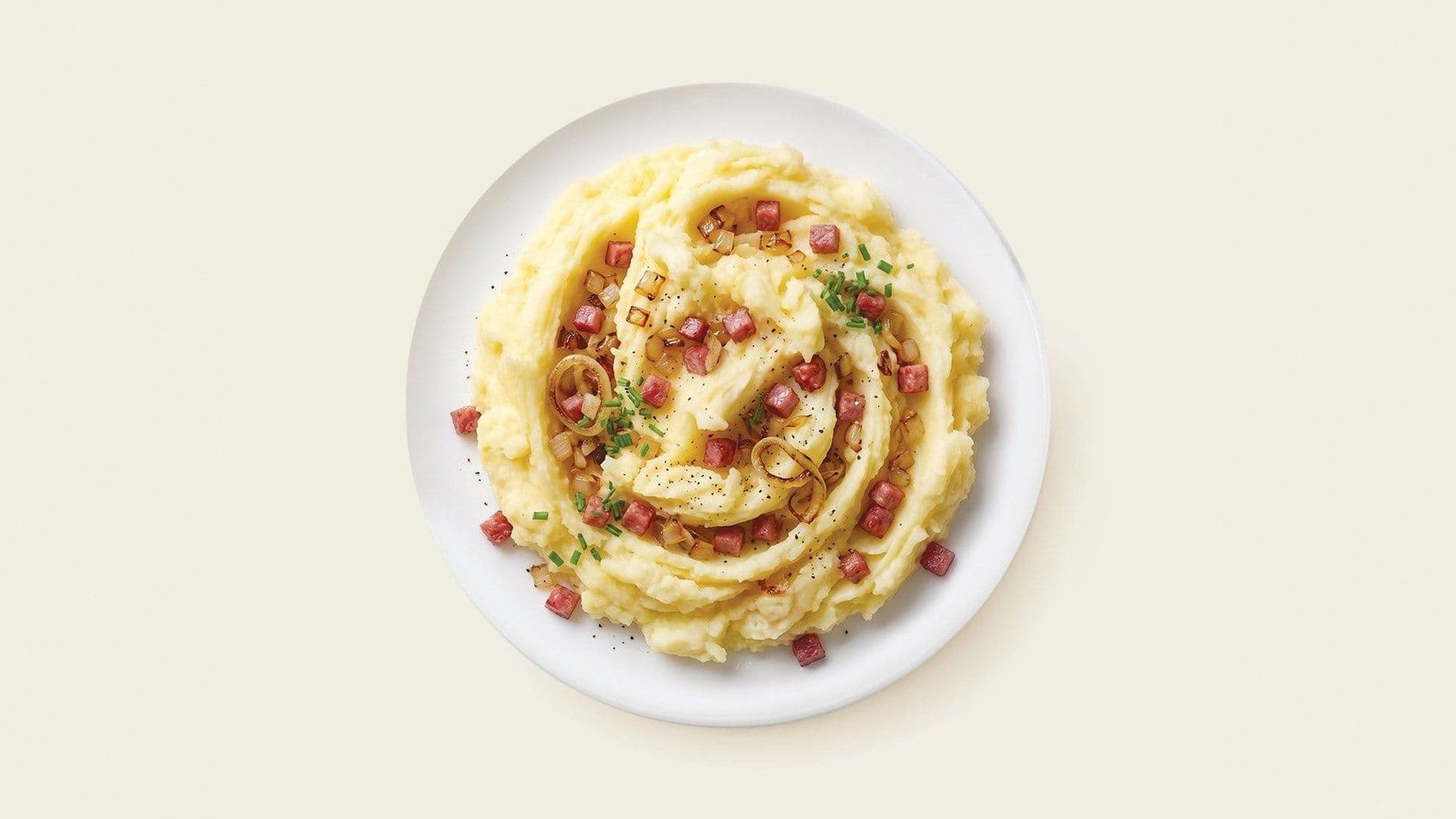
How to make instant mashed potatoes in foodservice: water and yield
Instant mashed potato powder is made up with hot liquid: 130 g of ECOCORE mix goes into 500 ml of boiling water with 250 ml of milk, is stirred firmly and rests for about 5 minutes. That batch serves four. Without milk the ratio is 130 g of mix to 750 ml of water.
Read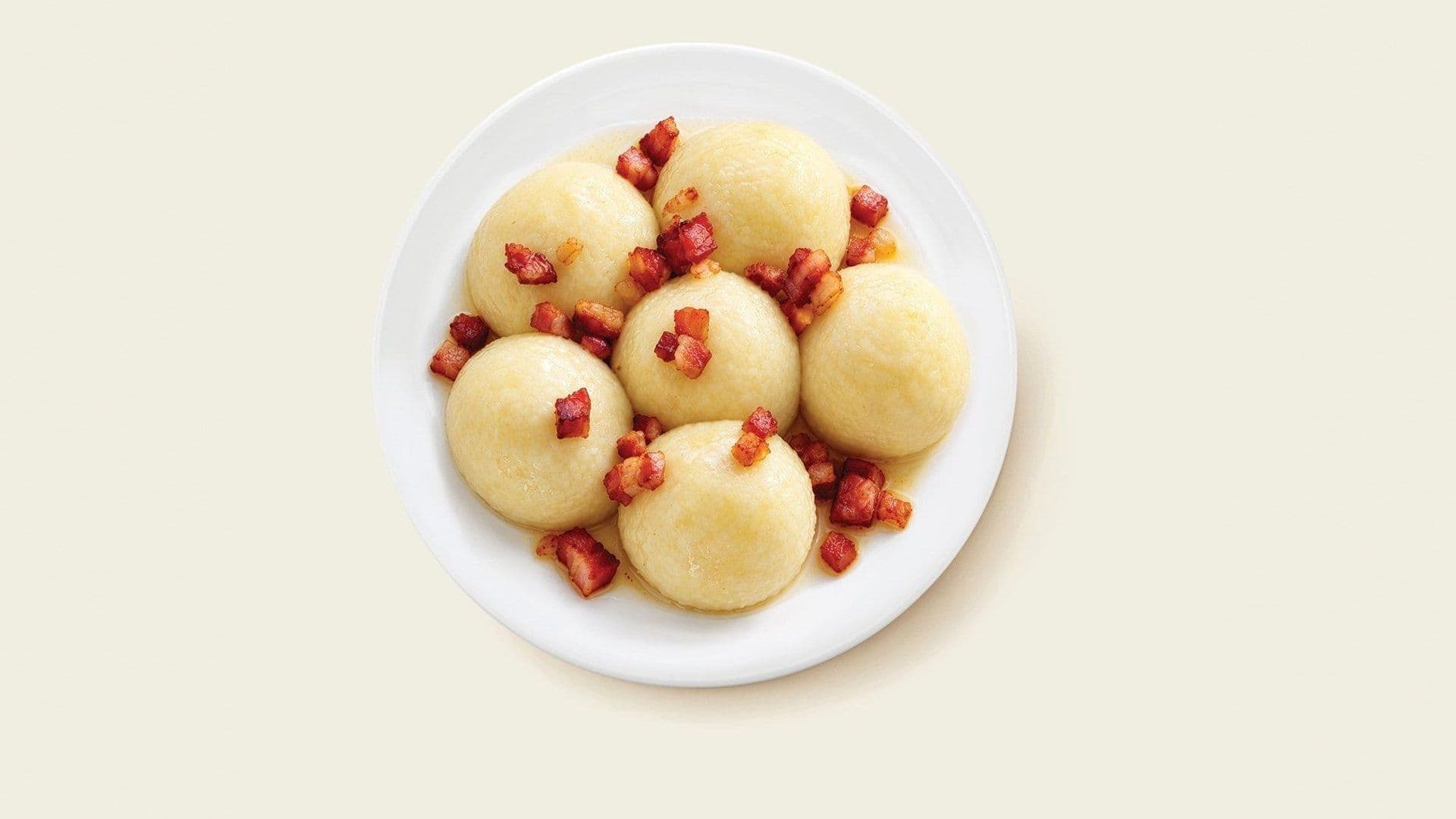
Gnocchi and potato dumplings from instant mix - how to prepare
Gnocchi, potato dumplings and Silesian dumplings from instant mix all follow the same rhythm: mix into water, rest for 10 minutes, shape, then cook until the pieces float. What differs is the water ratio and the yield - 200 g of mix gives about 70 gnocchi, 220 g about 30 Silesian dumplings.
Read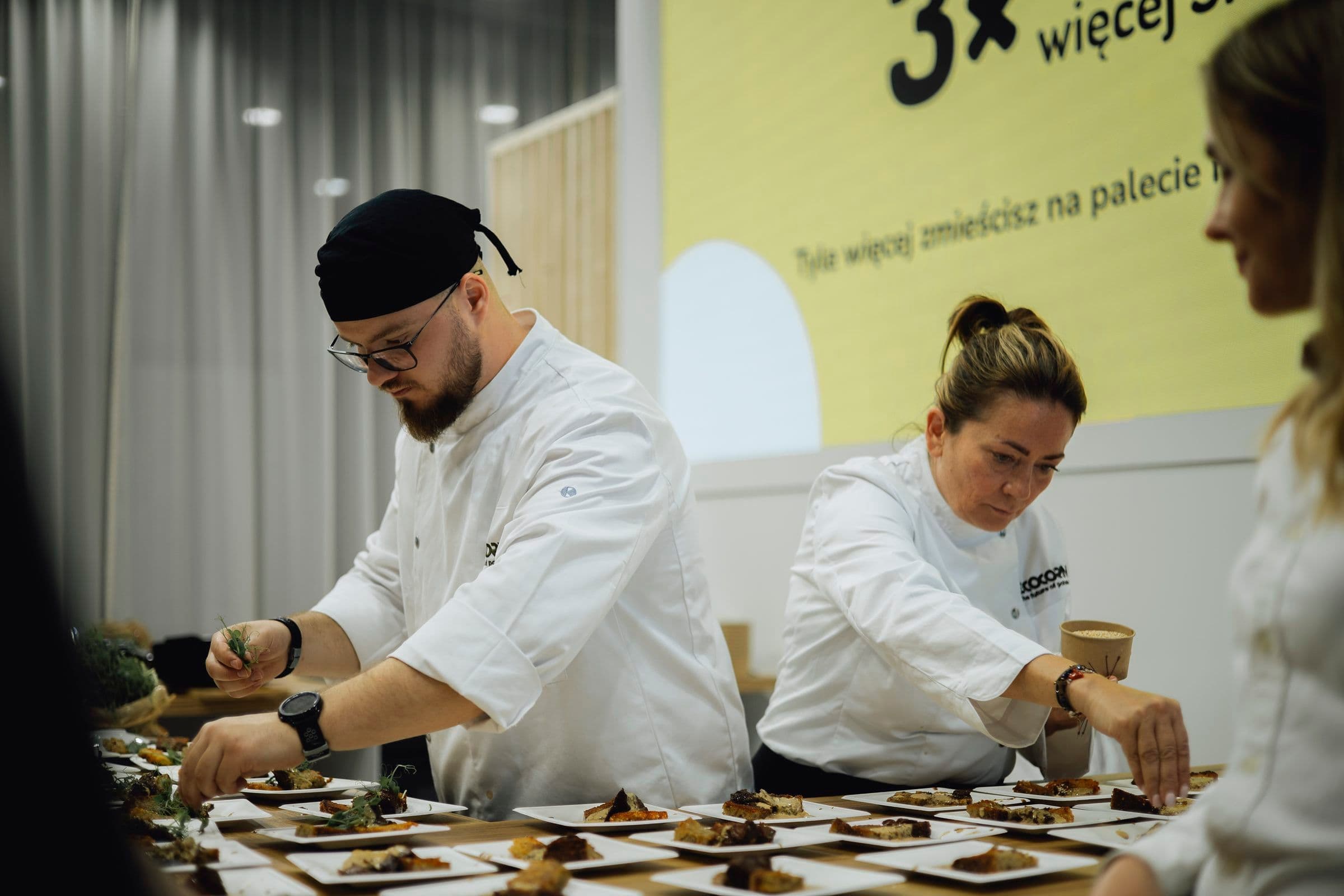
Fresh or instant mashed potato in foodservice: the labour and waste method
Mashed potato from powder and mashed potato from fresh potatoes cannot be compared on the price per kilogram of raw material - what counts is the cost per portion at the counter. Below is the method: what to measure on your own shift, which numbers already come from the data sheet and what to ask for in the quotation.
Read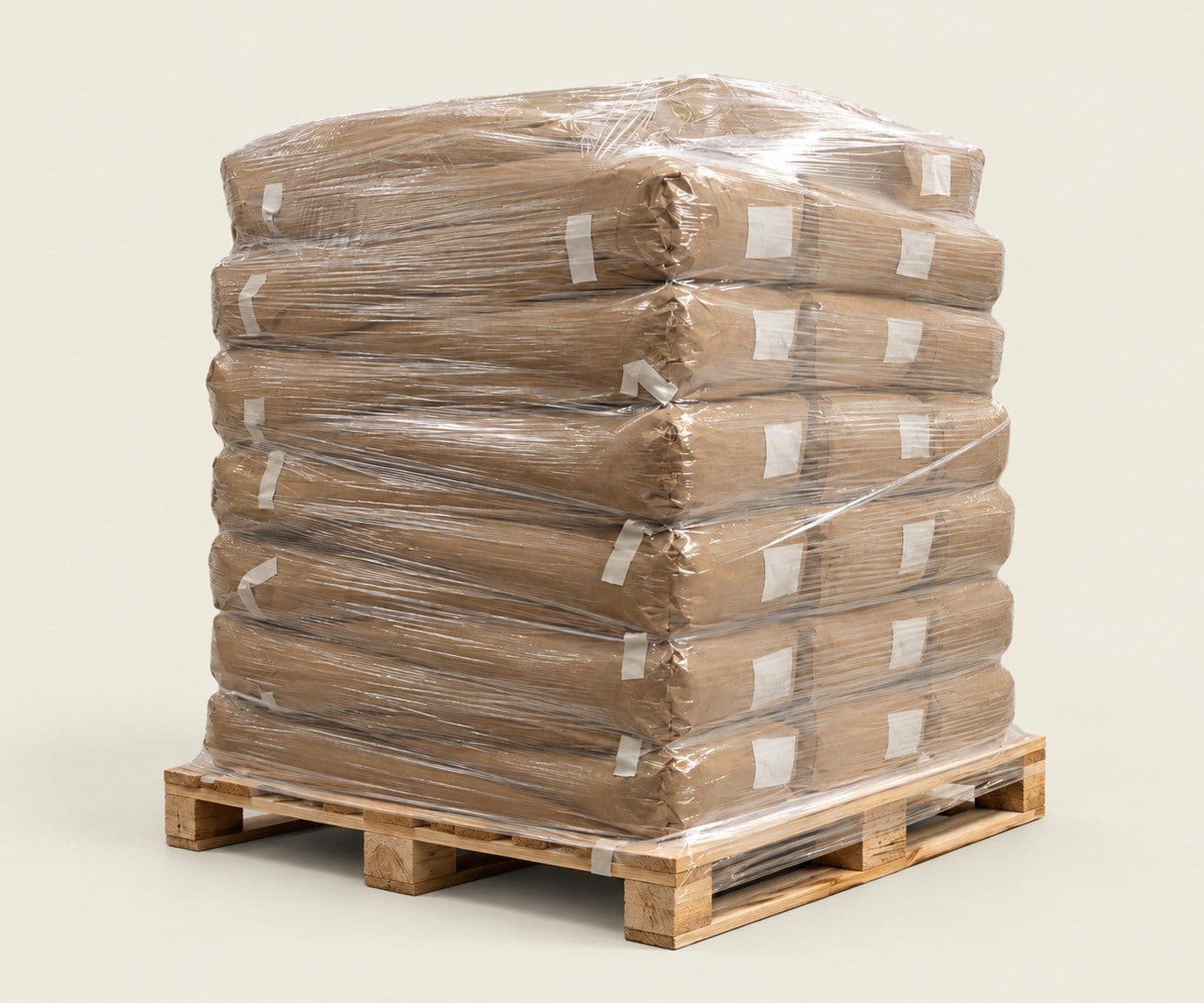
Shelf life of dehydrated potato and instant mixes: 12 months and after opening
ECOCORE dehydrated potato and instant mixes keep for 12 months from the production date in closed packaging, with no refrigeration. The conditions are a dry room free of foreign odours, a temperature up to 30 °C and a recommended relative humidity of 75% - dried potato is hygroscopic and takes up both moisture and foreign aromas.
Read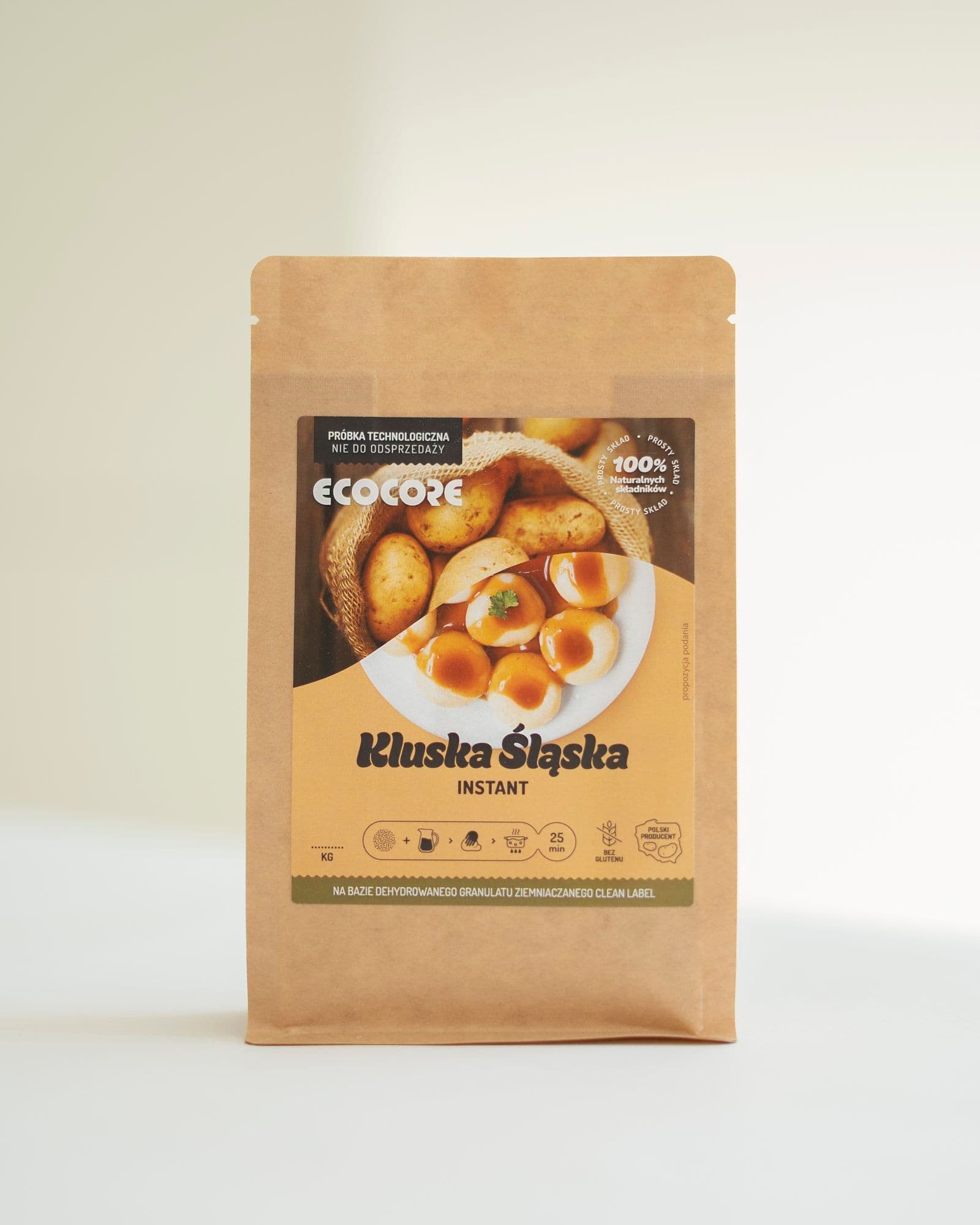
How private label works for instant potato products: from brief to first batch
We run private label on the instant line only: our mix in your packaging, a mix adapted to your market, or your recipe reproduced on our line. The route is always the same - brief, NDA and a technical conversation, a trial batch with the quotation, then the first production batch.
Read