The short answer, and what it does not cover
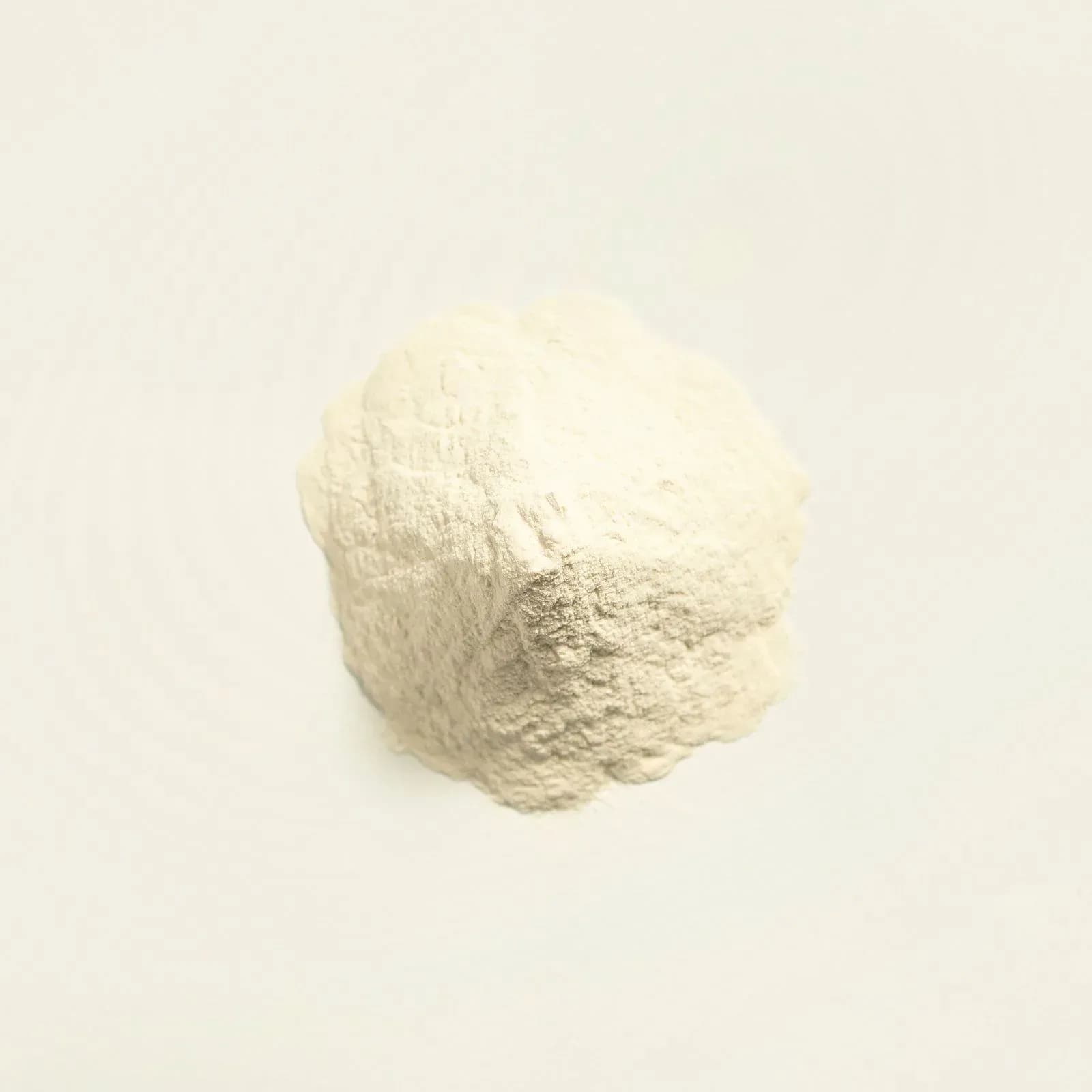
The dehydrated potato line has one ingredient: potato. Gluten-containing cereals are absent from the recipe, as are milk, eggs, soya, nuts, celery, mustard and sesame. Sulphur dioxide is not added in any line and the raw material is not sulphited.
What this does not automatically cover is three things a quality team will ask about anyway: possible cross-contact in the plant, the status of every other item you buy from the same supplier, and the claim you intend to print on your own packaging. Each is answered separately below.
Allergen status by line
| Allergen (Annex II, Regulation 1169/2011) | Dehydrated potato | Petfood Premium | Instant | Organic versions |
|---|---|---|---|---|
| Gluten and cereals containing gluten | absent | absent | per specification | absent |
| Milk and dairy products | absent | absent | per specification | absent |
| Eggs | absent | absent | per specification | absent |
| Soya | absent | absent | per specification | absent |
| Nuts and peanuts | absent | absent | absent | absent |
| Celery, mustard, sesame | absent | absent | per specification | absent |
| Sulphur dioxide above 10 mg/kg | not added | not added | not added | not added |
"Absent" refers to the recipe. Possible presence through cross-contact is stated on the labelling of the specific product - that is separate information and no general declaration replaces it. The binding document is always the specification of the item you buy.
The instant line works differently and it is worth saying so plainly: those are mixes, so the ingredient list is longer because a dish needs a recipe. Every component is listed in the product specification - the potato pancake mix, for example, contains egg. The details are in the guide Organic dehydrated potato.
What a gluten-free claim requires
If your finished product is to carry a "gluten-free" claim in the sense of Commission Implementing Regulation (EU) No 828/2014, you need gluten at or below 20 mg/kg verified in that finished product. The claim belongs to the product, not to one ingredient, and a supplier declaration about a raw material is an input to that assessment, never a substitute for it.
What you get from us as that input: the specification of the item with its allergen status, and a batch certificate of analysis with the test results for the batch you received.
Clean label: a specific composition, not a slogan
"Clean label" has no legal definition and no certifying body. It is a market expectation: a short, understandable ingredient list without technological additives. A clean label claim is therefore only worth as much as the specification behind it.
| Statement | What stands behind it |
|---|---|
| No preservatives | dried potato keeps thanks to its reduced water content, not additives |
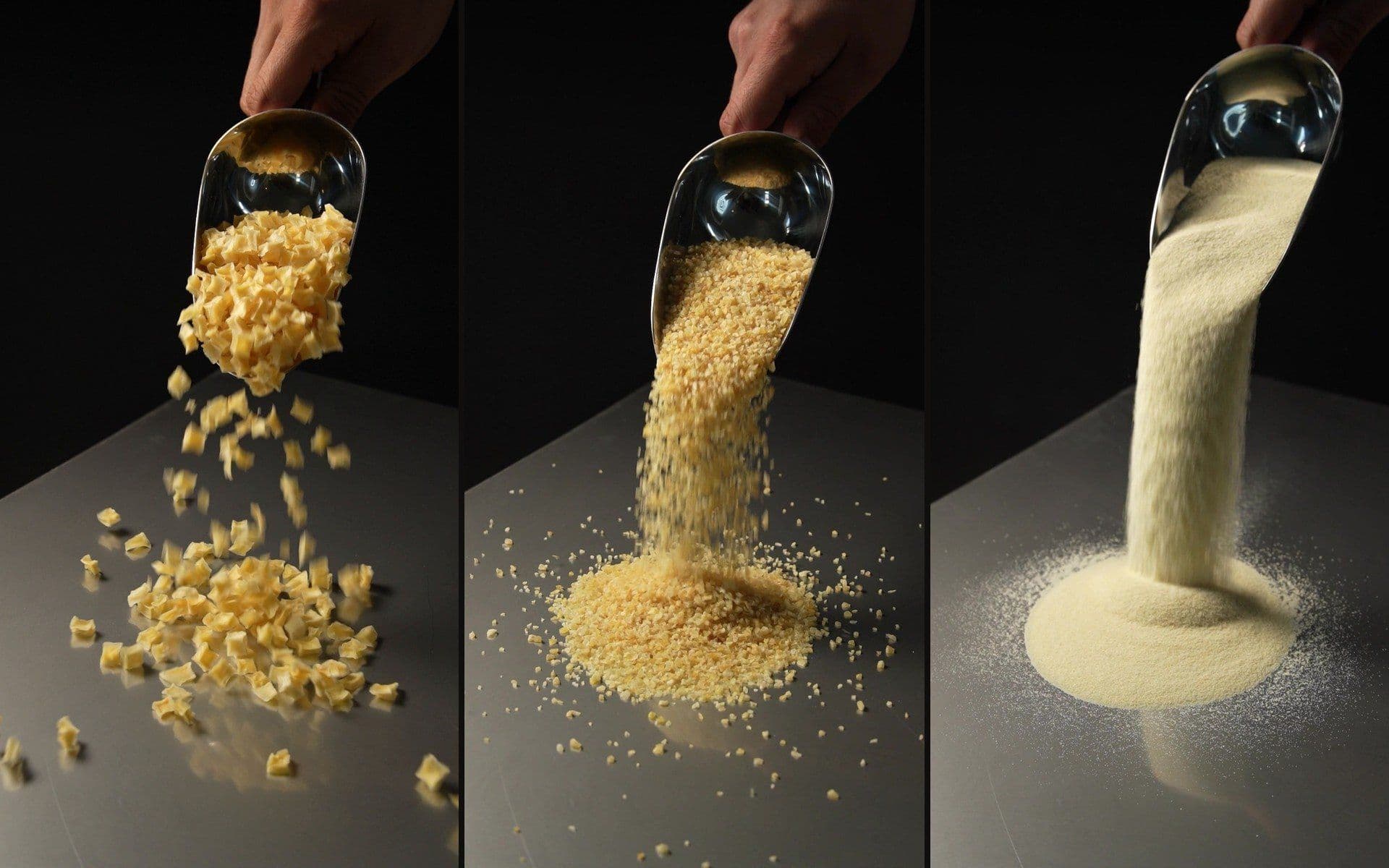
| No emulsifiers | we dry cut pieces of potato and only then mill them into fractions |
| No SO₂ | raw material without sulphiting; SO₂ is not added in any line |
| No fillers | the ingredient list of the dehydrated potato line has one entry: potato |
The sequence of the process is what makes this possible. Flake production cooks the potato before drying it, and stabilizing the cooked mass is where emulsifiers, antioxidants and sulphur dioxide usually enter the ingredient list. Drying cut pieces first leaves nothing to stabilize.
The supplier qualification pack. Available without an NDA and without logging in:
- IFS Food certificate (scan with number and expiry date) - Higher Level, scope: production of potato granules and packing;
- organic certificate for organic items - TÜV Rheinland Polska, Regulation (EU) 2018/848;
- specification / TDS of the item (by e-mail on request), with allergen status and food-contact compliance of the packaging;
- GMO / non-GMO declaration;
- description of traceability and batch marking;
- kosher certificate - Strictly Kosher, Pareve.
Packaging complies with Regulations (EC) No 1935/2004 and (EU) No 10/2011. Every batch is tested before dispatch, each batch number is linked to the raw material supplier and the intake date, and the batch number is printed on every bag label. Files are on the specifications and certificates to download page; details on the quality and certificates page. We go into more detail in the guide Supplier qualification for dehydrated potato.
How the label changes when flakes go out
A product whose ingredient list today reads "potato flakes (potatoes, emulsifier E471, antioxidant)" ends up with a single entry - potato - after switching to potato powder or potato granules. The switch itself is technical: same quantity, same dosing step, adjust only the amount of water. For industry-specific guidance see the dehydrated potato for bakery page. A separate guide covers Shelf life of dehydrated potatoes.
Frequently asked questions
The raw material carries no gluten: potato is not a cereal and gluten-containing cereals are absent from the recipe of our dehydrated potato line. A gluten-free claim on your finished product requires testing of that product against the 20 mg/kg threshold, so the claim belongs to your product rather than to the raw material. The status of a specific item is confirmed by its specification.
No. Gluten is a protein of wheat, rye, barley and related cereals, and the potato is not a cereal, so the tuber carries none of it. What decides the status of a finished ingredient is the rest of its composition and the conditions it was made in. In our dehydrated potato line the composition is one item: potato, with no preservatives, emulsifiers or SO₂.
Not one for one in a dough, because milled dried potato builds no gluten network, so the structure of the bake would change. It works as a share of the recipe, dosed into the flour at the mixing stage with the water adjusted, and the share is set in a test bake. The declaration gains one item: potato, and the item specification states the allergen status.
Not from the potato itself, but the answer depends on the item: flakes may carry additives, and production conditions differ between suppliers. Check the specification of the specific item rather than the category. In our dehydrated potato line the composition is one entry, potato, and gluten-containing cereals are absent from the recipe; the status for an item is confirmed by its specification.
No. Sulphur dioxide is not added in any of our lines and the raw material is not sulphited. That is possible because the pieces are dried first and milled afterwards, so there is nothing to stabilise, and the 12-month shelf life comes from the reduced water content. The composition of the dehydrated line stays at one item: potato.
The pancake and gnocchi mixes contain egg. Mashed potato, Silesian dumplings, potato dumplings, potato sausage and potato cake have no allergens from Annex II to Regulation (EU) No 1169/2011 in the recipe. Milk and any additions used in preparation go into the declaration of the dish, and possible cross-contact is indicated by the product labelling.
Yes. Certificates and declarations are available to download without logging in or filling in a form; specifications are sent by e-mail on request. We sign an NDA only for private label work, where a customer recipe is involved. The downloadable package covers IFS Food, the organic certificate, the kosher certificate and the GMO declaration.
No - the composition is the same; what changes is the origin of the raw material and the certification, under Regulation (EU) 2018/848. Fractions, bulk density, shelf life and packaging are unchanged as well. The status for a specific item is confirmed by its specification, and the organic certificate issued by TÜV Rheinland Polska can be downloaded with no sign-in.
Need a specification for supplier qualification? Certificates and declarations are available to download without logging in; contact us and we send item specifications by e-mail the same working day.