Knowledge base: the technologist's guides
Practical guides on choosing dried potato forms, dosing and preparing instant mixes.
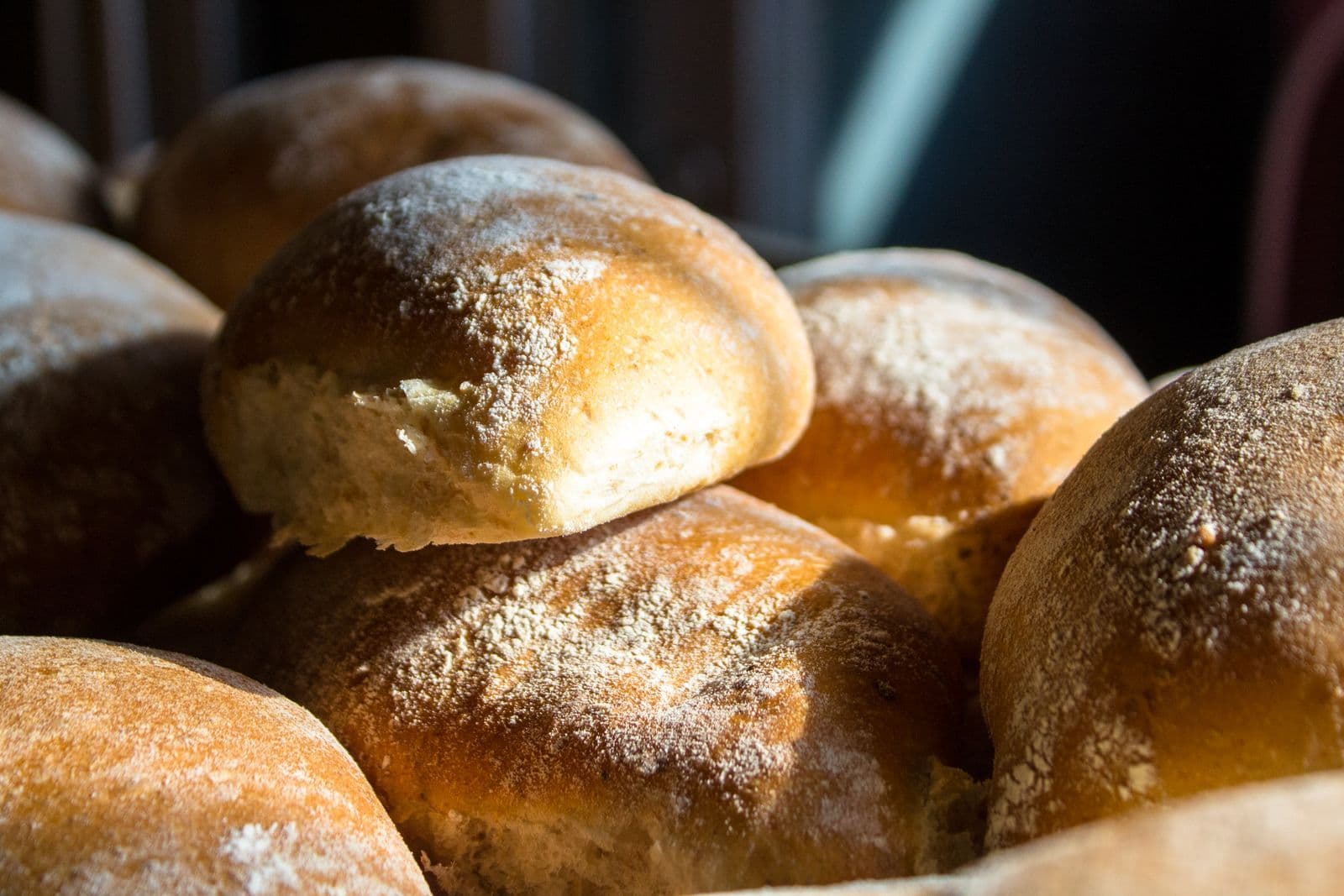
Potato bread: which potato flour or grits to use, and a test bake
In bread, dehydrated potato does two things: it binds water in the dough and releases it slowly in the crumb. The form is chosen on one question - whether the potato speck should stay visible after baking. Coarse grits at 1.5-2.5 mm stay visible; powder up to 0.5 mm binds water without changing the crumb.
Read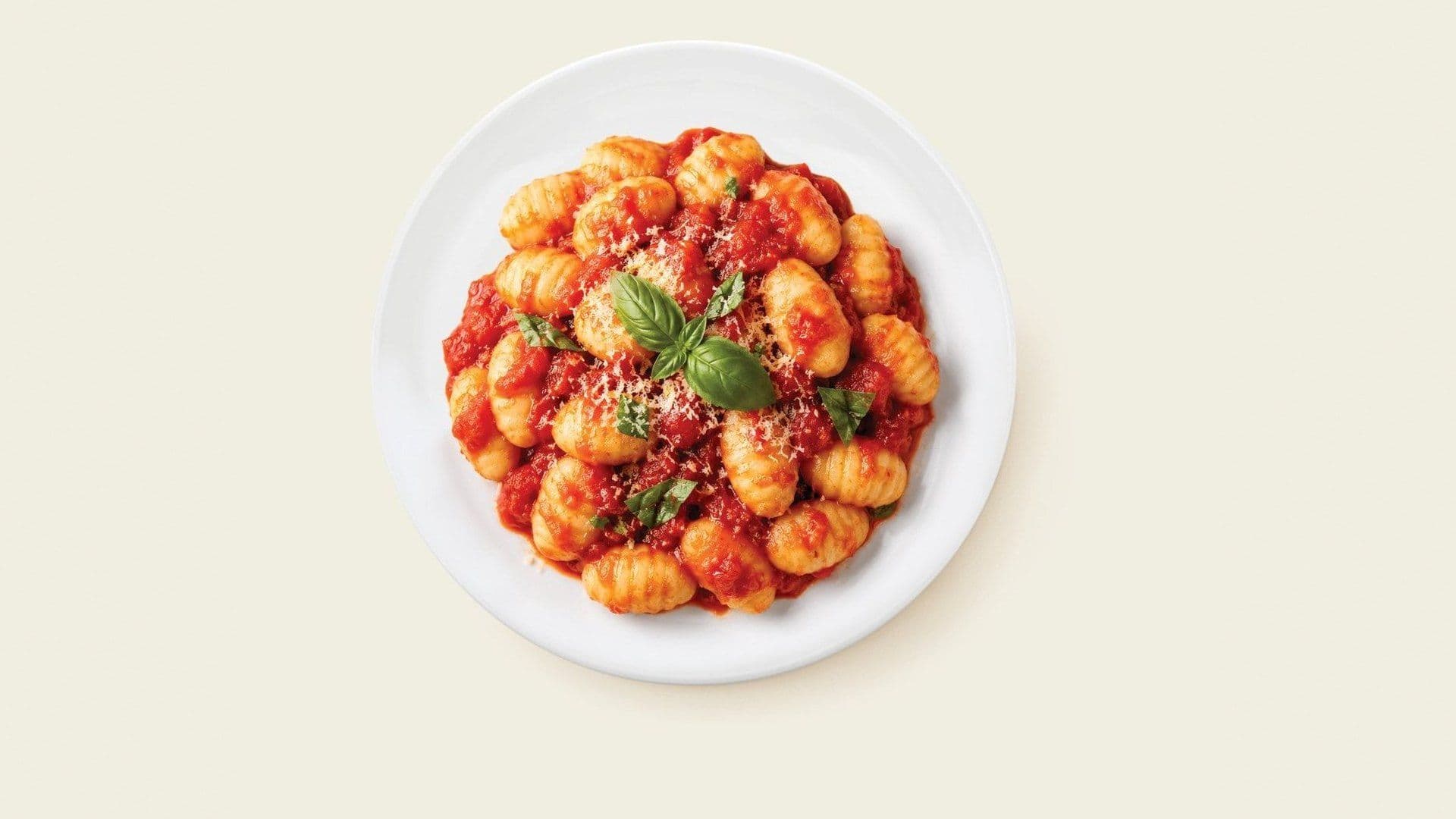
Gnocchi dough from potato semolina - structure and water
Potato dough made from semolina needs no boiling and no ricing: water is added in a known amount rather than pressed out of the raw material. The mass therefore starts from the same moisture in every batch and does not darken while it waits - the fraction is chosen on whether the grain should stay noticeable in the dough.
Read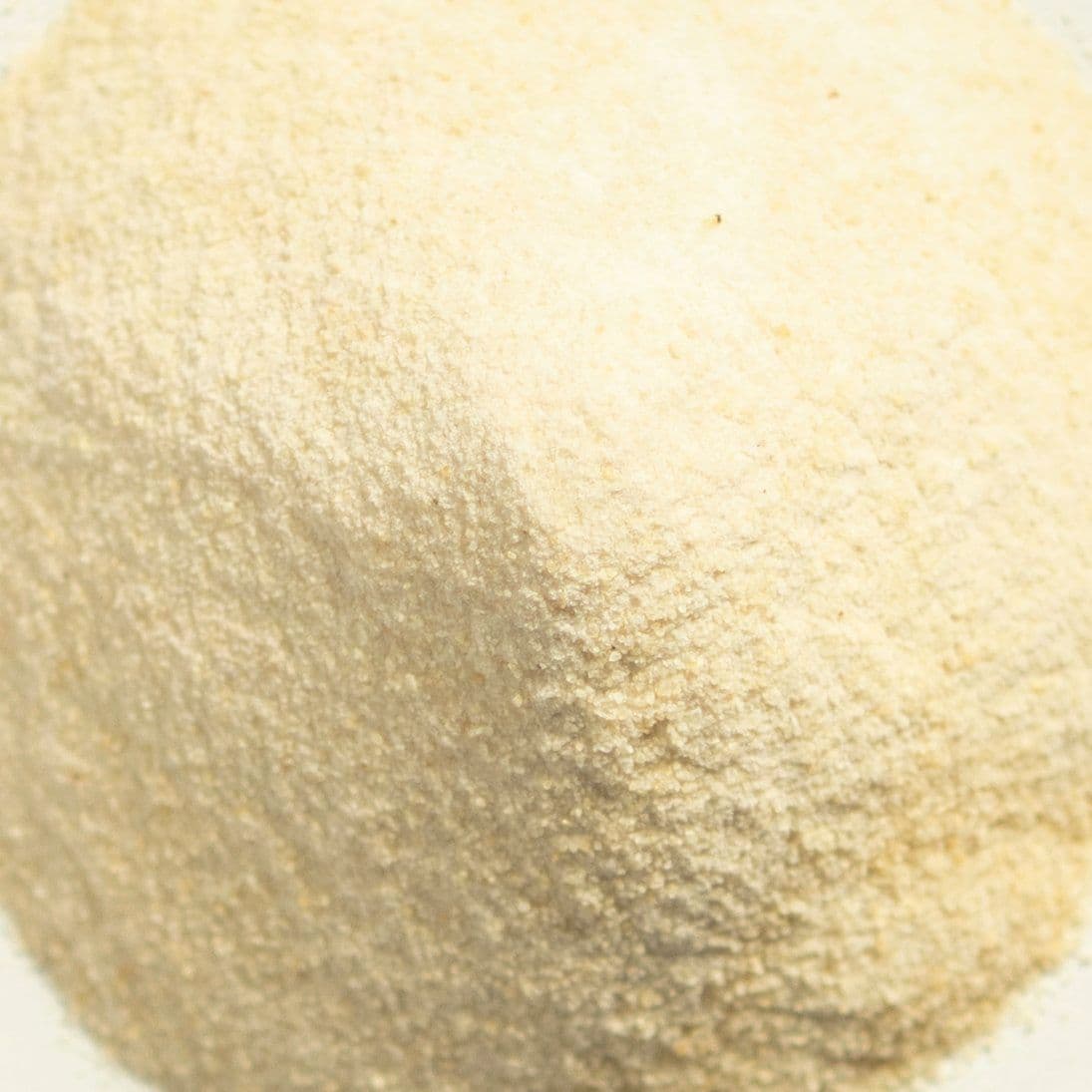
Water binding in fillings and meat products with potato
In fillings and meat products dehydrated potato does two things at once: it binds water in the mass and brings potato flavour and aroma as a single entry on the label. It is added dry, and its starting moisture is the same in every batch - unlike boiled potato, whose moisture has to be corrected each time.
Read