What the data sheet already gives you
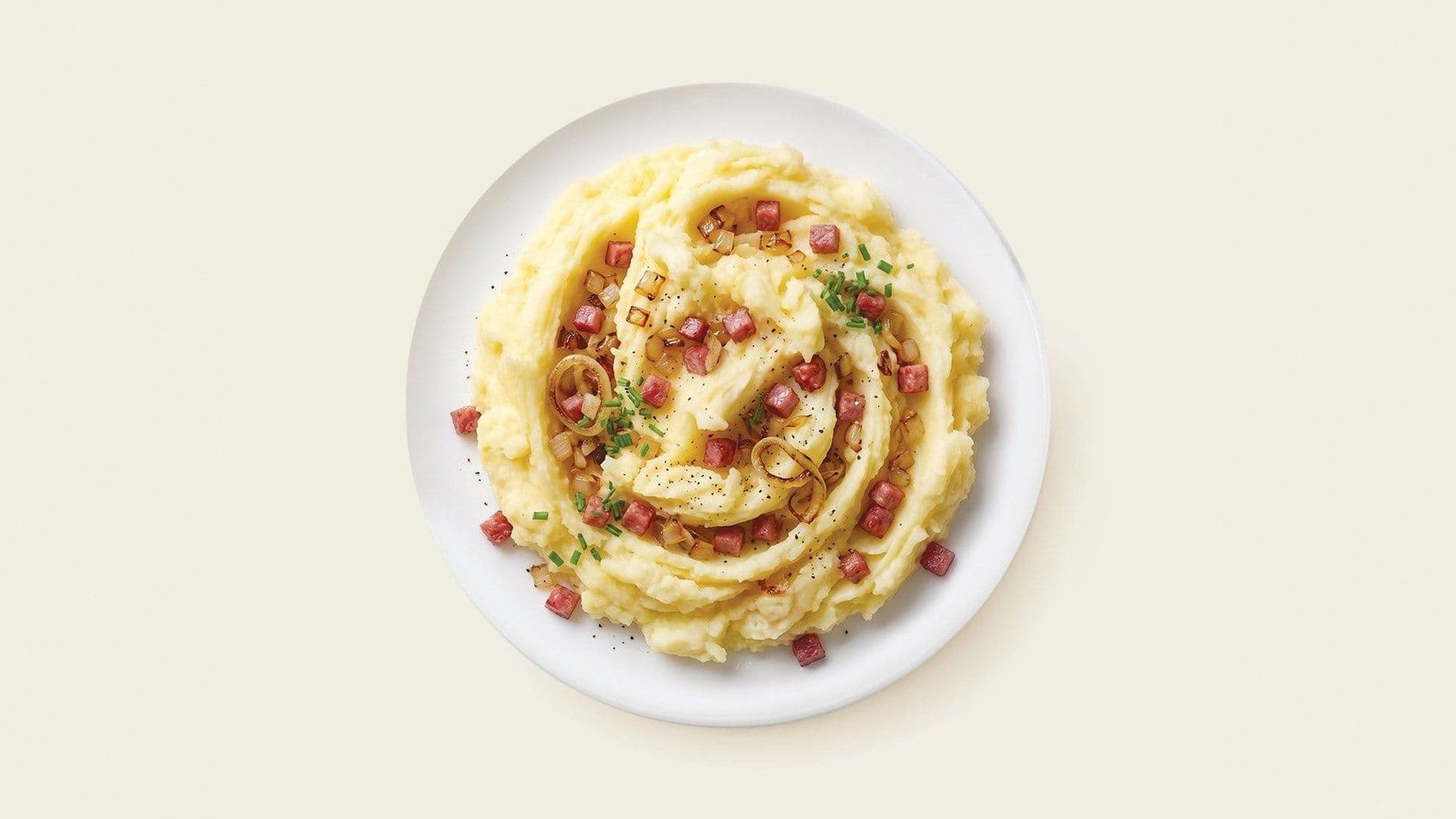
The instant mashed potato data sheet provides four figures you do not need to measure:
| Parameter | Value from the data sheet |
|---|---|
| Reference batch | 130 g of mix - mash for 4 people |
| Liquid per batch | 500 ml boiling water and 250 ml milk, or 750 ml water without milk |
| Preparation time | approx. 5 minutes from pouring |
| Shelf life | 12 months from production in unopened packaging, no refrigeration |
The reference batch gives the yield: 1 kg of mix makes about 7.7 such batches, so mash for roughly 30 people, and takes about 5.8 l of liquid (water and milk in a 2:1 ratio). That is a conversion of the data sheet figures rather than a separate yield declaration - with a different portion size the result moves proportionally.
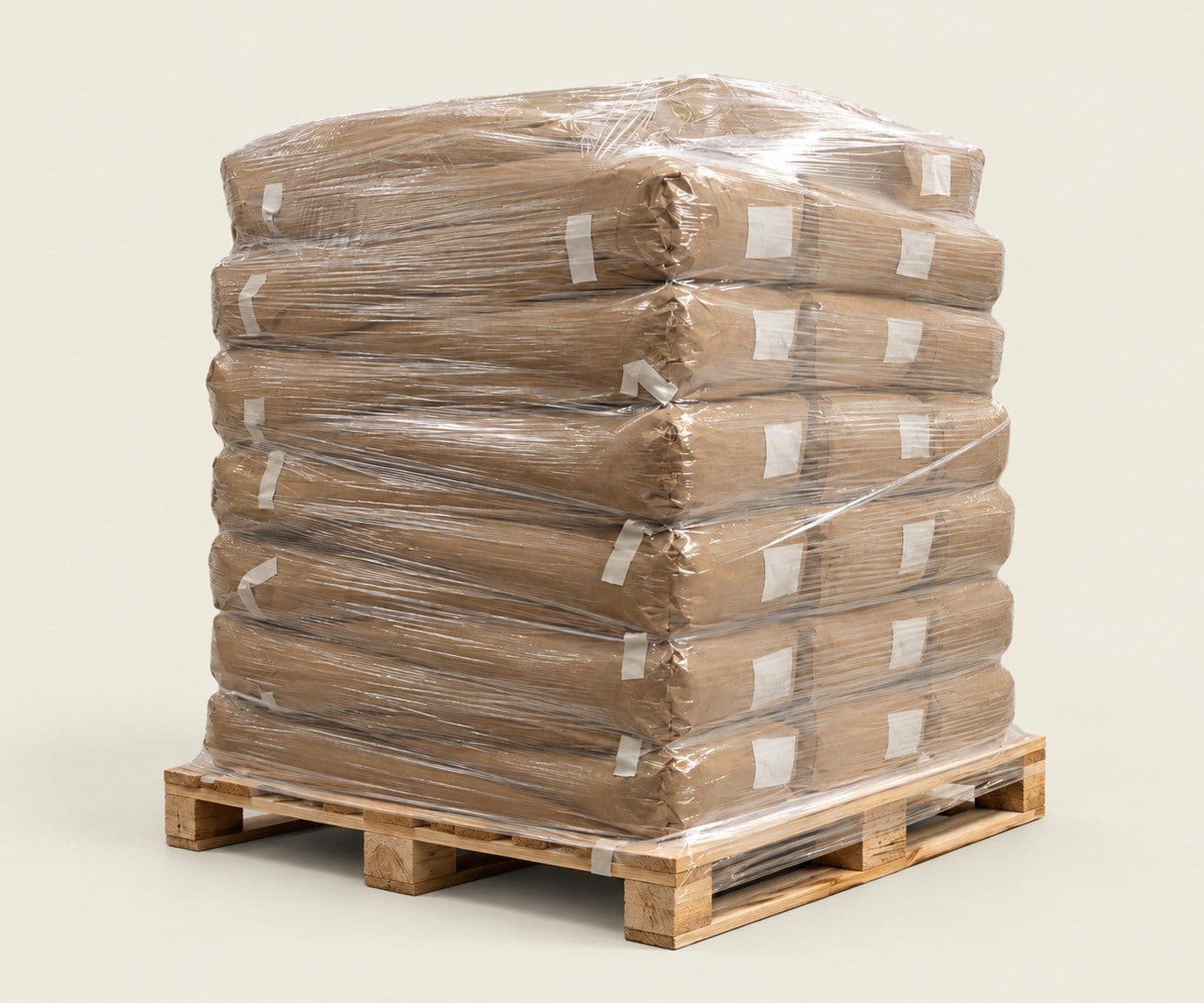
The number of portions per foodservice pack and the cost per portion go out with the quotation, because both depend on the pack weight and on how many grams of mash you serve.
What to measure in your own kitchen
The rest of the calculation is data from your operation - it is in no data sheet and cannot be guessed. Measure it once, on one shift, for the same number of portions:
- Labour time on the potato. Stopwatch from the sack leaving the store to the finished mass: peeling, washing, cutting, boiling, draining, mashing, cleaning equipment. Then the same for the mix: weighing, pouring, stirring, resting, seasoning.
- Peeling waste. Weigh the potatoes before peeling and the peelings afterwards. The difference divided by the input weight gives the waste share for that particular raw material - it moves with size grade and season, so it is worth repeating the measurement a few months later.
- Energy and water. Running time of the kettle or burner and the water used for boiling and cleaning; with the mix only heating the liquid remains.
- Storage space and chilling. Fresh potatoes occupy the vegetable store, the mix a dry shelf at ambient temperature.
- Portion spread. Weigh five portions served from the pot and five made from the mix. The difference in spread is what shows up in the accounts as yield.
The measurement costs one shift and needs no tool beyond scales and a stopwatch. Do it on a typical day rather than a record one: full service, normal staffing and normal portion counts, because that is when you see where time is actually lost. It helps to keep time in two columns - work somebody has to do on the raw material, and time in which the dish finishes by itself.
With potatoes from the sack the first column is long; with the mix almost all the work is weighing and pouring. That shift is the heart of the comparison, and its size differs by operation: a kitchen with a peeling machine and its own store is in a different position from a service kitchen with two staff and a peak between 11 and 13. We go into more detail in the guide Storing dehydrated potatoes.
Only those five figures side by side produce a cost per portion. Raw material prices, hourly rates and unit costs are not published in this guide - sales calculate them with the quotation, on your volumes.
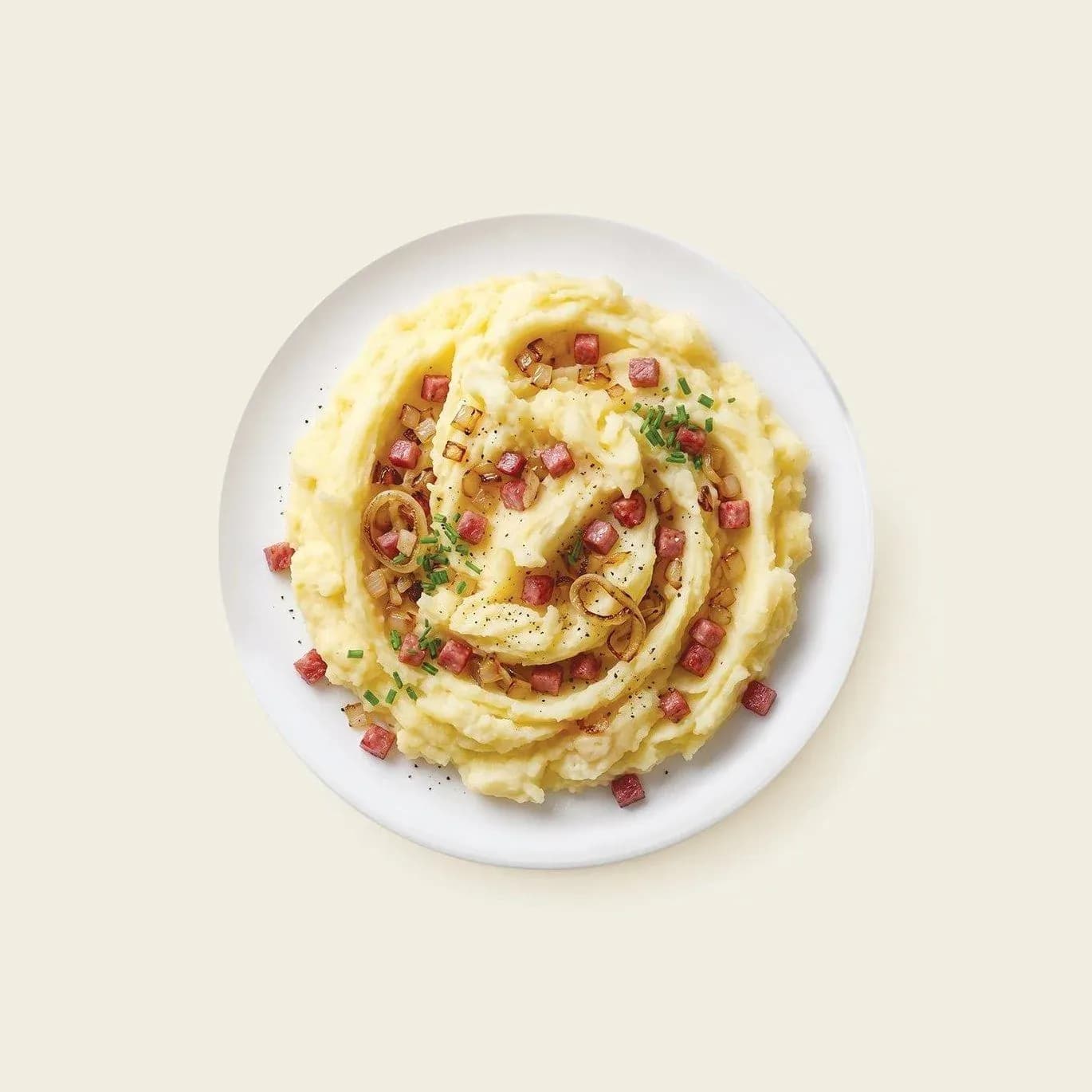
What moves the comparison without appearing in the spreadsheet
- Consistency. Mash from fresh potatoes depends on the variety and on who is at the pot. From the mix it is the same on every shift, because the starting moisture of the raw material is identical in every batch.
- Availability. Production runs 12 months a year, so the contract price does not depend on the month you ask, and the goods are fresh whatever the season.
- Order flexibility. A first order may be a single bag, with no rigid MOQ - the calculation can be run on a real batch rather than on a pallet bought blind.
- Covering peaks. Extra portions need no advance planning: the stock sits dry on a shelf and does not run out of date within days.
The same calculation for other dishes
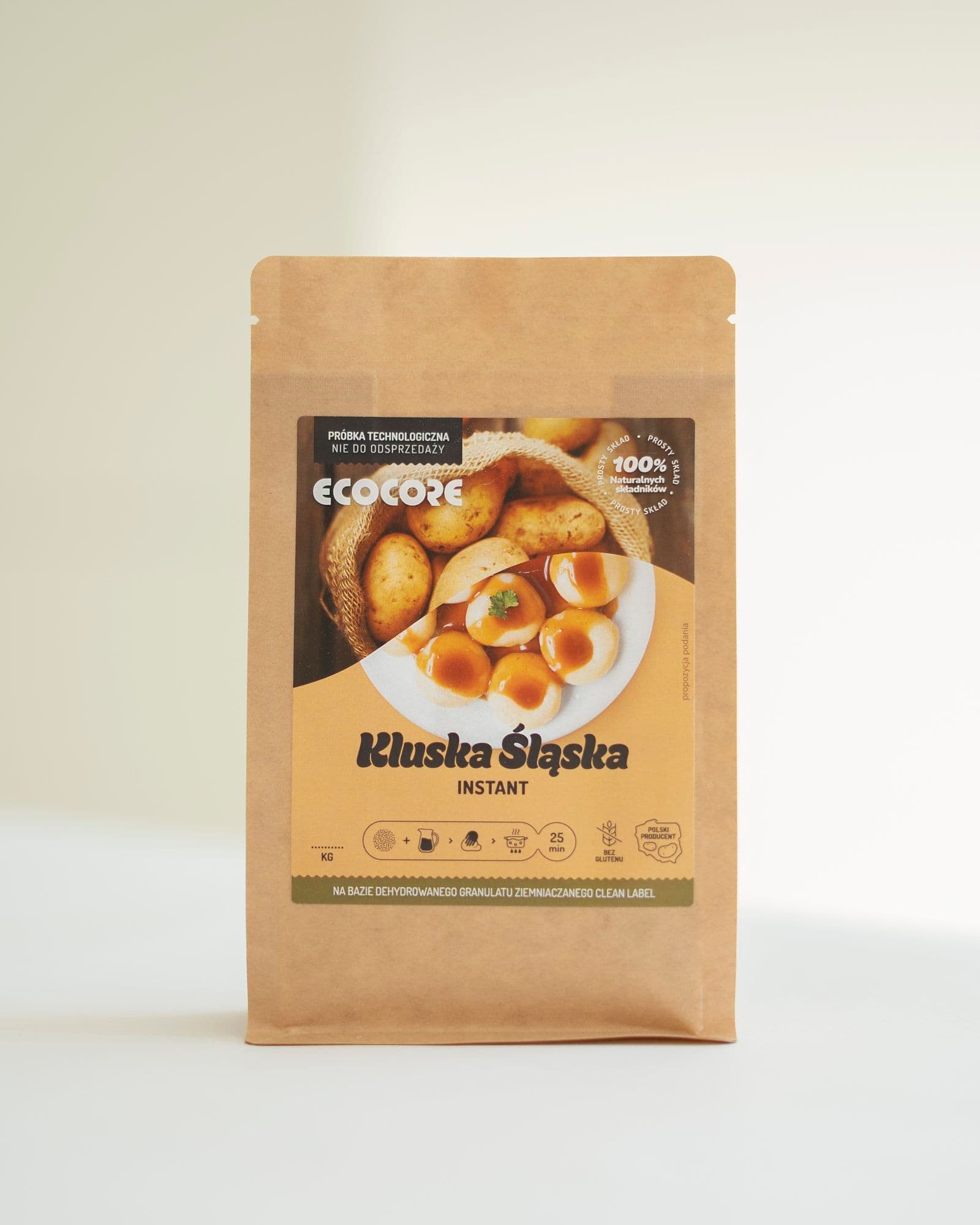
The method stays the same and only the data sheet figures change: the potato pancake mix is 200 g to 500 ml of water, 10 minutes of resting and 10-12 pancakes; potato dumplings are 309 g to 750 ml; gnocchi 200 g to 500 ml for about 70 pieces. The full table is on the foodservice and catering page, and how dried potato is produced in the first place is covered in How dehydrated potatoes are made.
Where a visible piece of potato has to stay in the dish - in a soup, a salad or a stew - the same calculation applies to dehydrated potato cubes: no peeling, no cutting, no losses, and the same size in every batch. A separate guide covers Organic dehydrated potato.
Frequently asked questions
Cost it on the same basis for both methods: the same number of portions, the same weight on the plate, and the same shift. Then the comparison covers the ingredient, the labour time and the waste, instead of the raw material price alone. We do not publish prices or hourly rates; the cost per portion is calculated with the quotation, on your volumes and pack sizes.
With the reference batch from the data sheet, 130 g of mix for 4 people, 1 kg gives about 7.7 batches, so mash for roughly 30 people. For a different portion size, convert proportionally. The number of portions per foodservice pack comes with the quotation, because it depends on the pack size you order.
No. We do not publish product prices, hourly rates or unit costs; the cost per portion is calculated with the quotation, on your volumes and pack sizes. What the guide gives is the method and the fixed figures from the data sheet, so the comparison can be run before any price is on the table.
No. The mix is dry: store it in a dry, cool, dark place free of foreign odours, up to 30 °C, with no refrigeration. Shelf life is 12 months from production in unopened packaging, and after opening the pack should be closed tightly and kept away from moisture. Prepared mash is a dish and follows your own kitchen procedure.
On the same shift, for the same number of portions and at the same weight on the plate. One day with the pot and one with the mix, with labour time, waste and portion weight recorded - that is enough to give a price conversation a reference point. Without those three figures the comparison tends to come down to the raw material price alone.
Three things per trial day: the minutes of labour from the start of preparation to service, the waste in kilograms, and the weight of a served portion. Add the quantity of mix or of potatoes used for the same number of portions. Those four figures turn the comparison into a calculation that holds up in front of a purchasing department.
Storage and handling: fresh potatoes need space and sorting, the mix sits on a dry shelf for 12 months and arrives in a foodservice pack. Then there is the repeatability of the dish across shifts, since the mix has the same composition in every batch. Neither is a cost line, yet both show up in how a kitchen plans its day.
Want this run on your own portions? Ask for a quotation with your pack size and daily portion count, or request a free sample first and measure both methods yourself.