Knowledge base: the technologist's guides
Practical guides on choosing dried potato forms, dosing and preparing instant mixes.
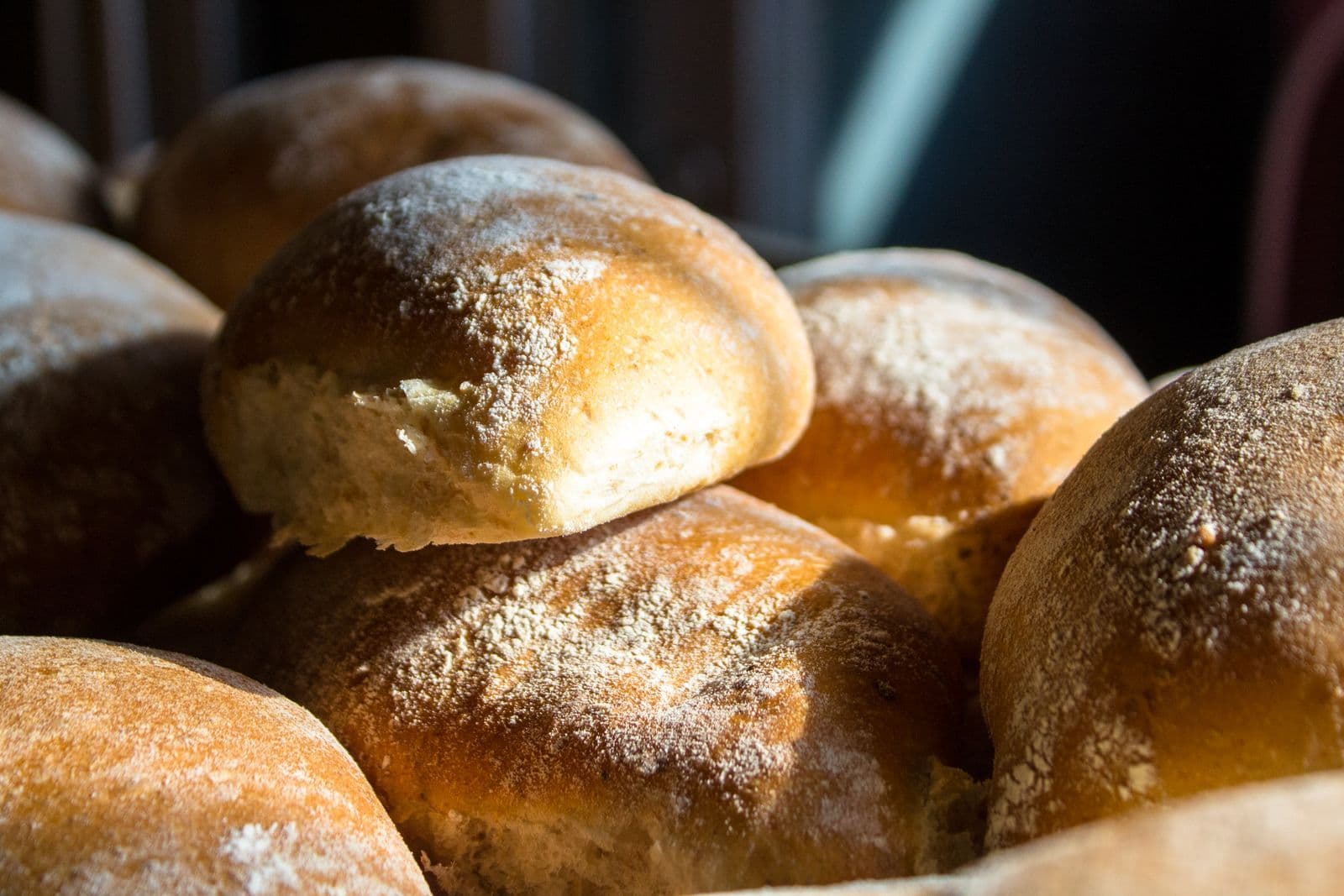
Potato bread: which potato flour or grits to use, and a test bake
In bread, dehydrated potato does two things: it binds water in the dough and releases it slowly in the crumb. The form is chosen on one question - whether the potato speck should stay visible after baking. Coarse grits at 1.5-2.5 mm stay visible; powder up to 0.5 mm binds water without changing the crumb.
Read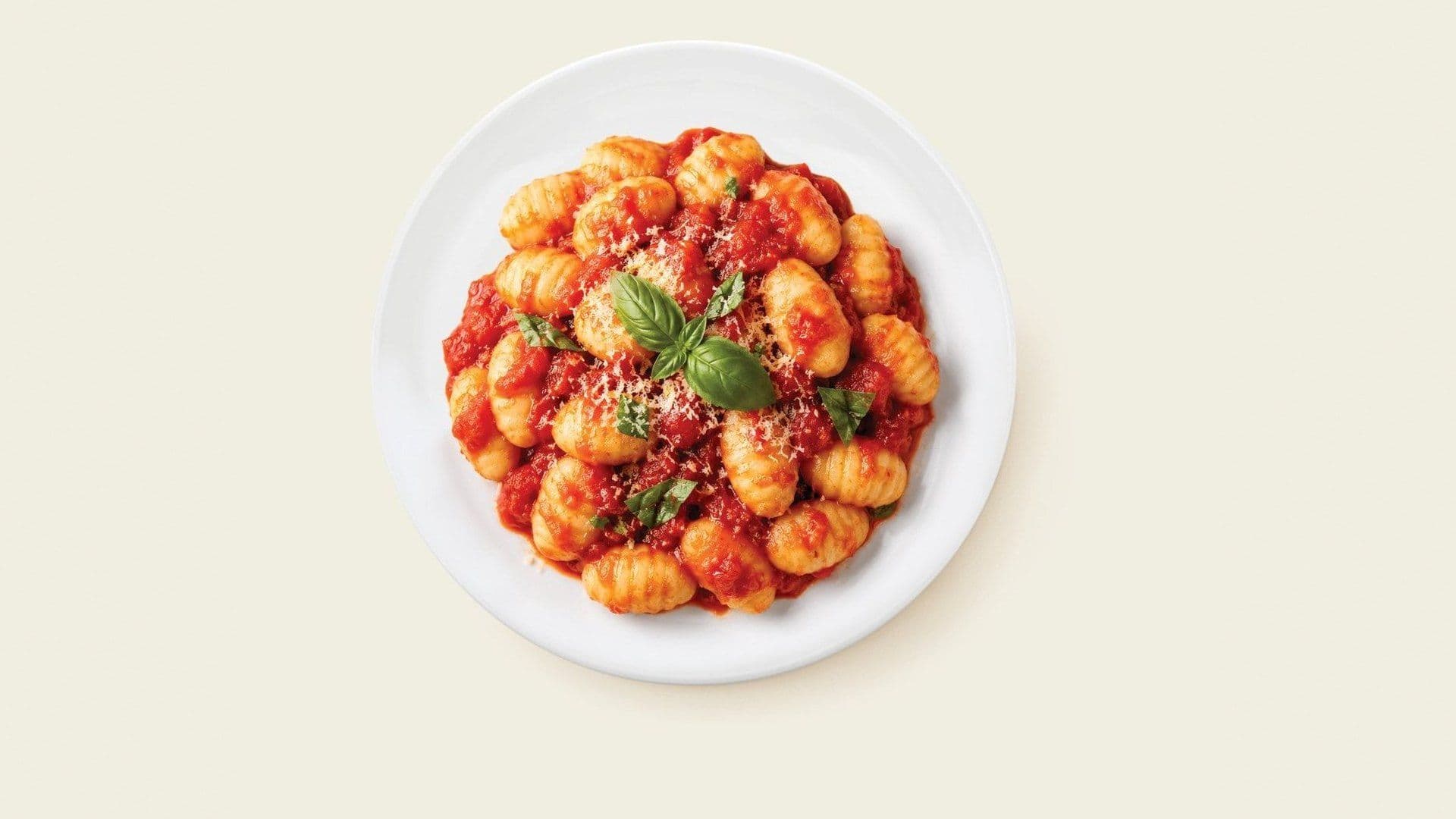
Gnocchi dough from potato semolina - structure and water
Potato dough made from semolina needs no boiling and no ricing: water is added in a known amount rather than pressed out of the raw material. The mass therefore starts from the same moisture in every batch and does not darken while it waits - the fraction is chosen on whether the grain should stay noticeable in the dough.
Read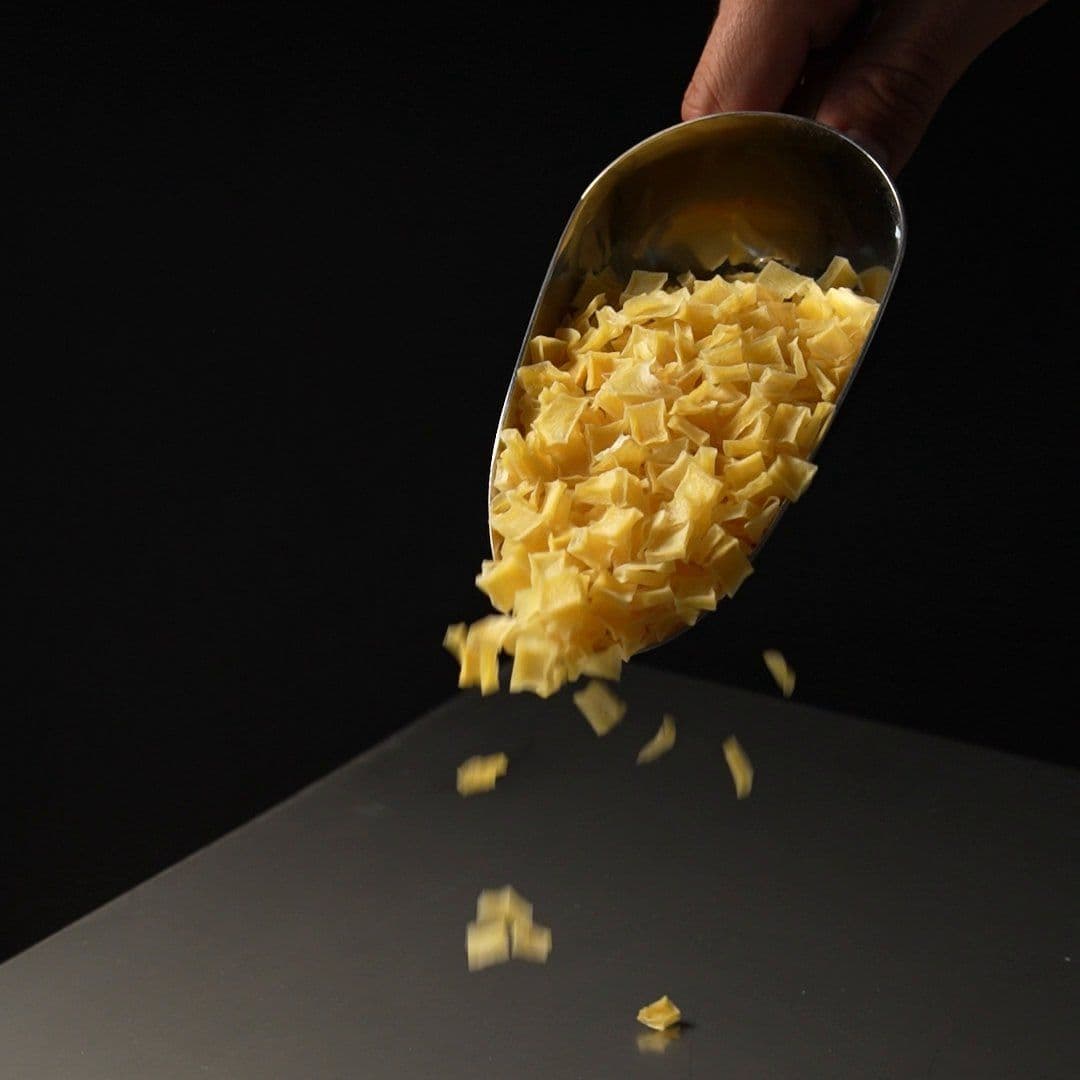
Rehydrating dehydrated potato dices: size and yield
Dehydrated potato cubes and sticks go into a recipe dry and rehydrate in the soup, the sauce or the thermal process. Size is chosen by the treatment: the thin 10×10×2 mm cube softens faster, while the thick 10×10×7 mm cube holds its shape through heat treatment.
Read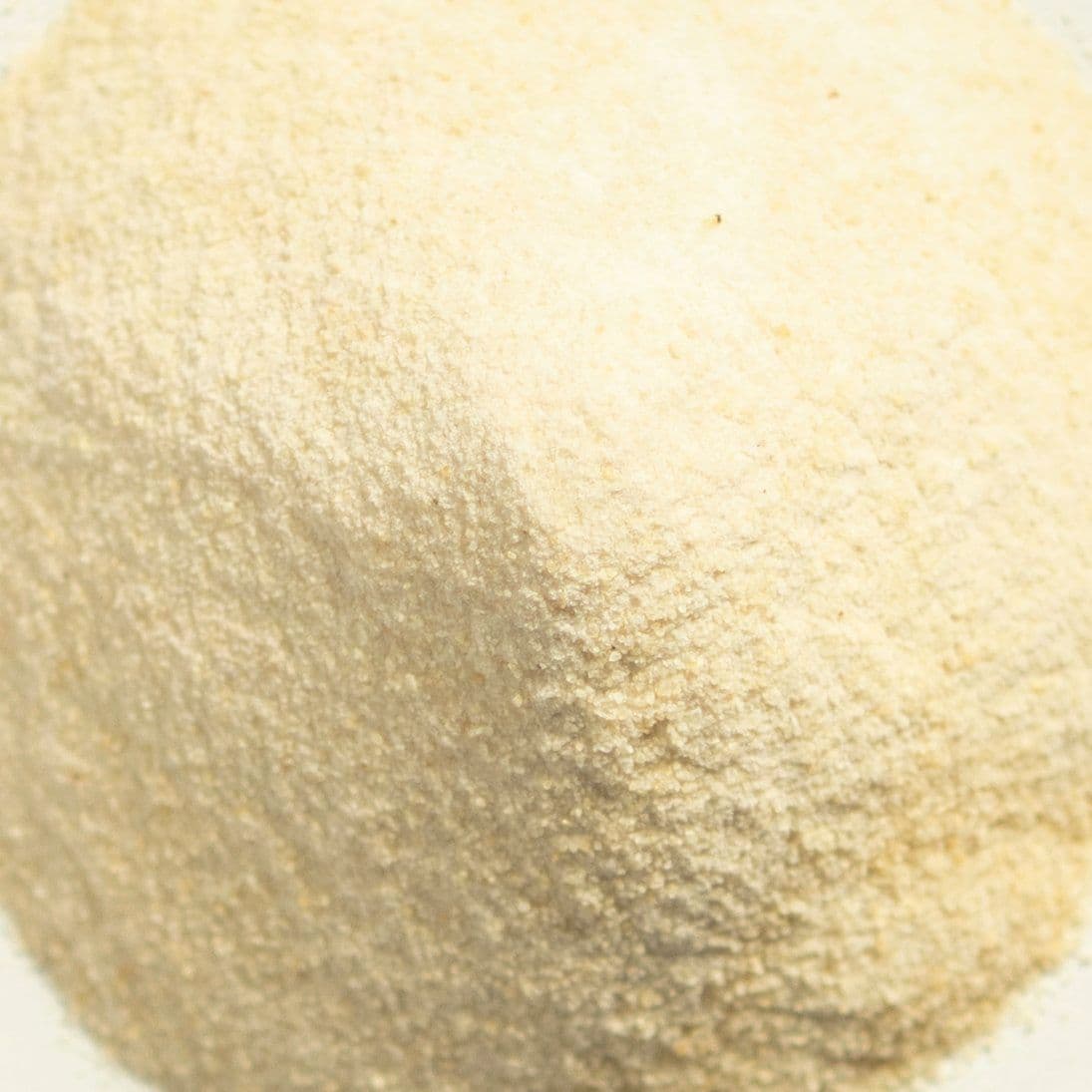
Water binding in fillings and meat products with potato
In fillings and meat products dehydrated potato does two things at once: it binds water in the mass and brings potato flavour and aroma as a single entry on the label. It is added dry, and its starting moisture is the same in every batch - unlike boiled potato, whose moisture has to be corrected each time.
Read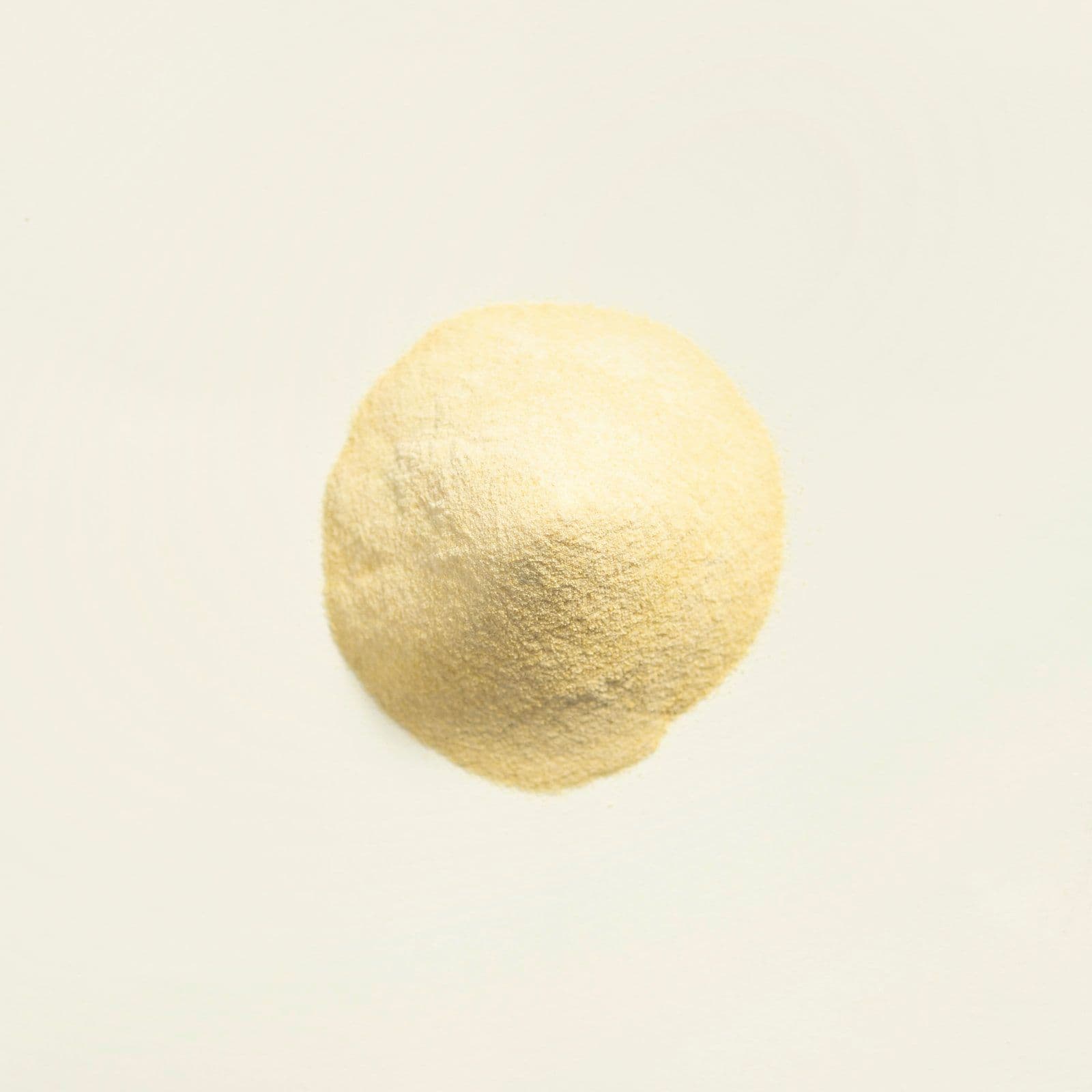
Potato snack pellets - granules and water absorption
In extrusion the water decides the outcome: how much the material takes up and how fast. Potato granules absorb water in a constant ratio - indicatively up to 1:4.5 - and both the fraction and the starting moisture are identical in every batch, so the pellet mass behaves the same even after a change of delivery.
Read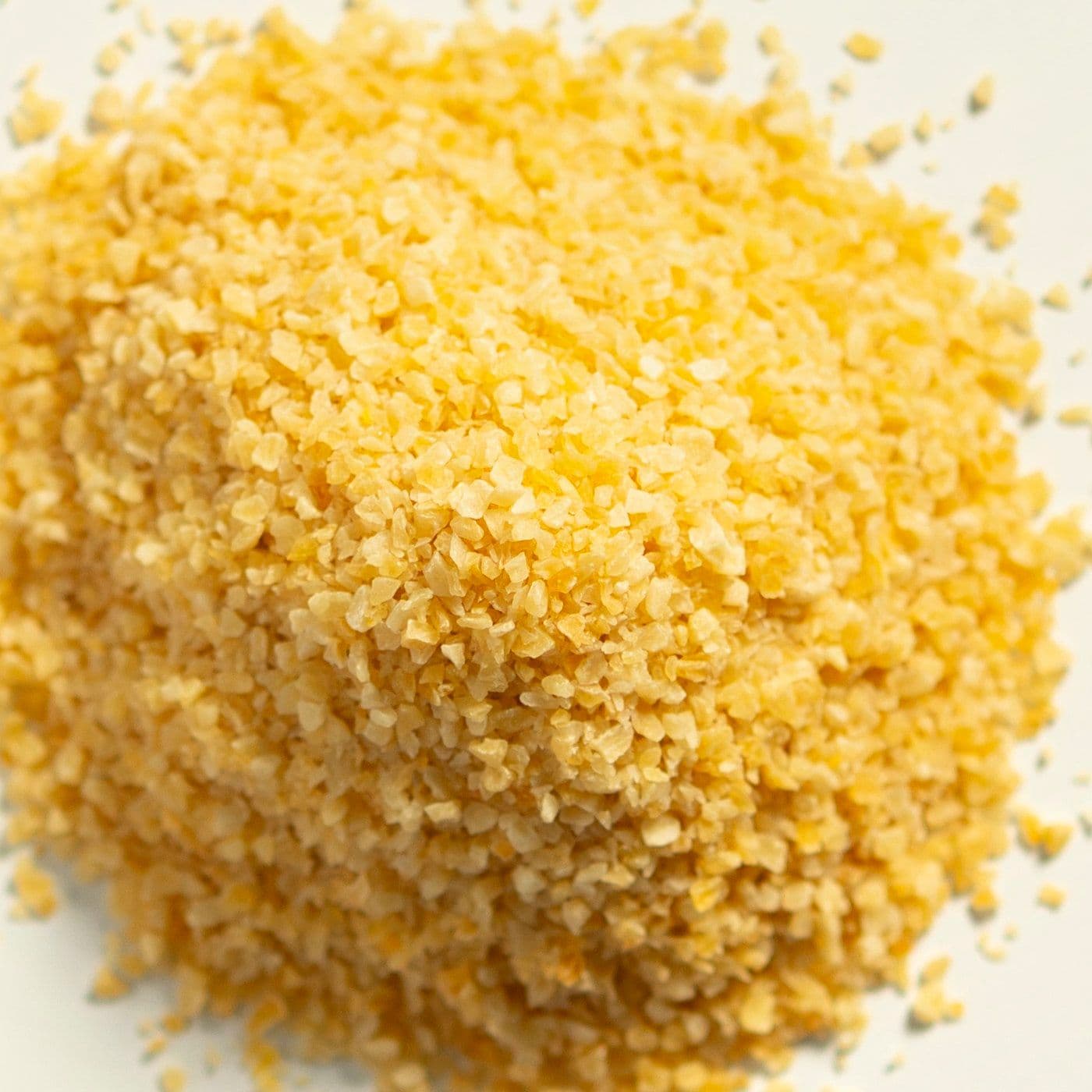
Coatings and toppings with potato grits: carrier and crunch
In a topping or a coating every particle is visible, so what matters is not only the grain size but whether it is identical in every batch. Coarse potato grits at 1.5-2.5 mm give visible structure and crunch after frying, semolina at 0.01-1 mm gives a finer topping, and powder works where thickening rather than appearance is the job.
Read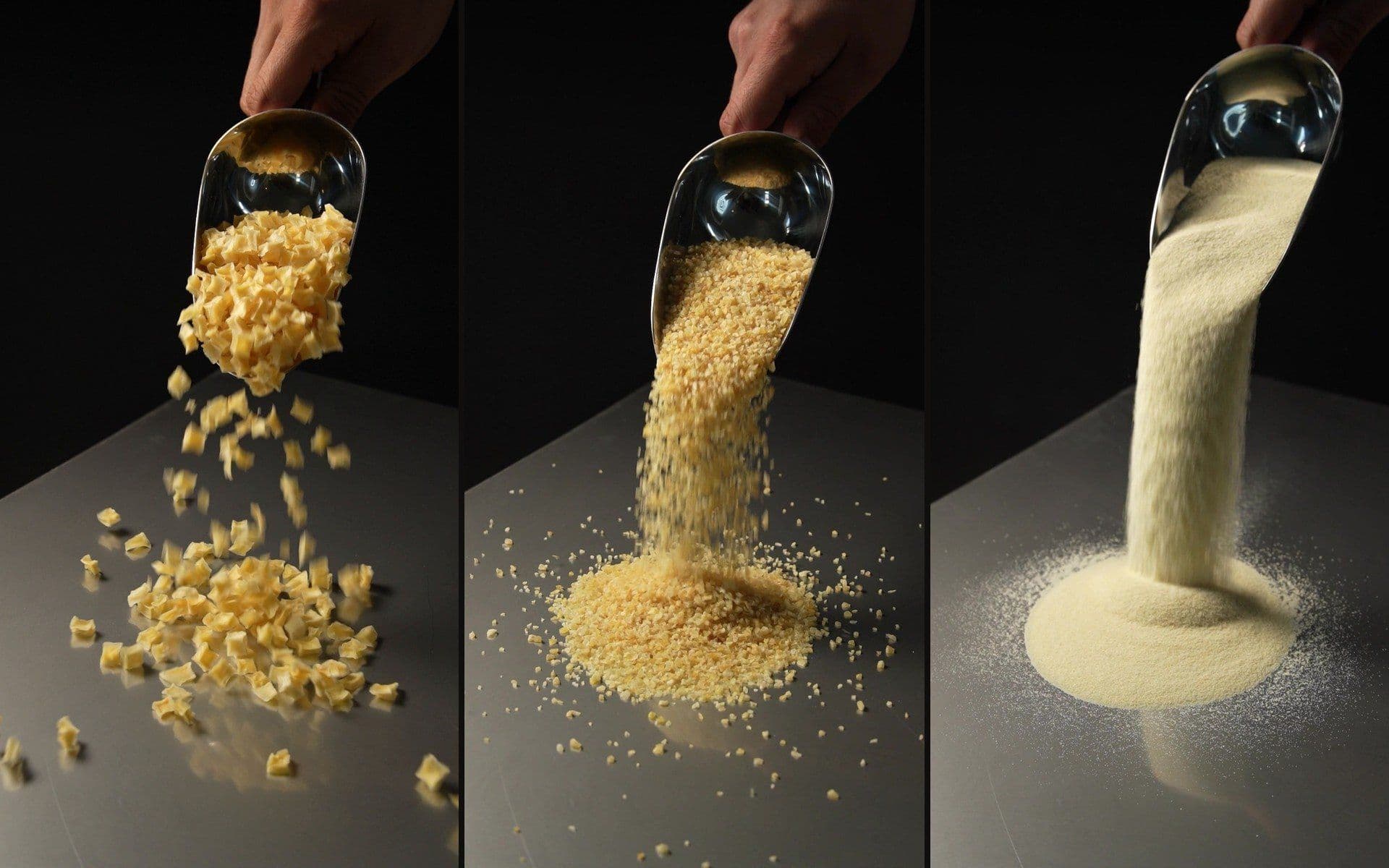
Is potato flour gluten-free? Allergens and clean label
Potato is not a cereal, so potato flour made from dried whole potatoes carries no gluten from its recipe. That answers the raw material question. A "gluten-free" claim on a finished product is a separate matter: it is tied to a 20 mg/kg threshold verified on the product itself, not on the ingredient.
Read
Supplier qualification for dehydrated potato - IFS, organic
Qualifying a dehydrated potato supplier comes down to a document set a quality department can check without a sales conversation. Below is what belongs in it, who issues each document, what cannot be obtained in advance and how an audit at the plant is arranged.
Read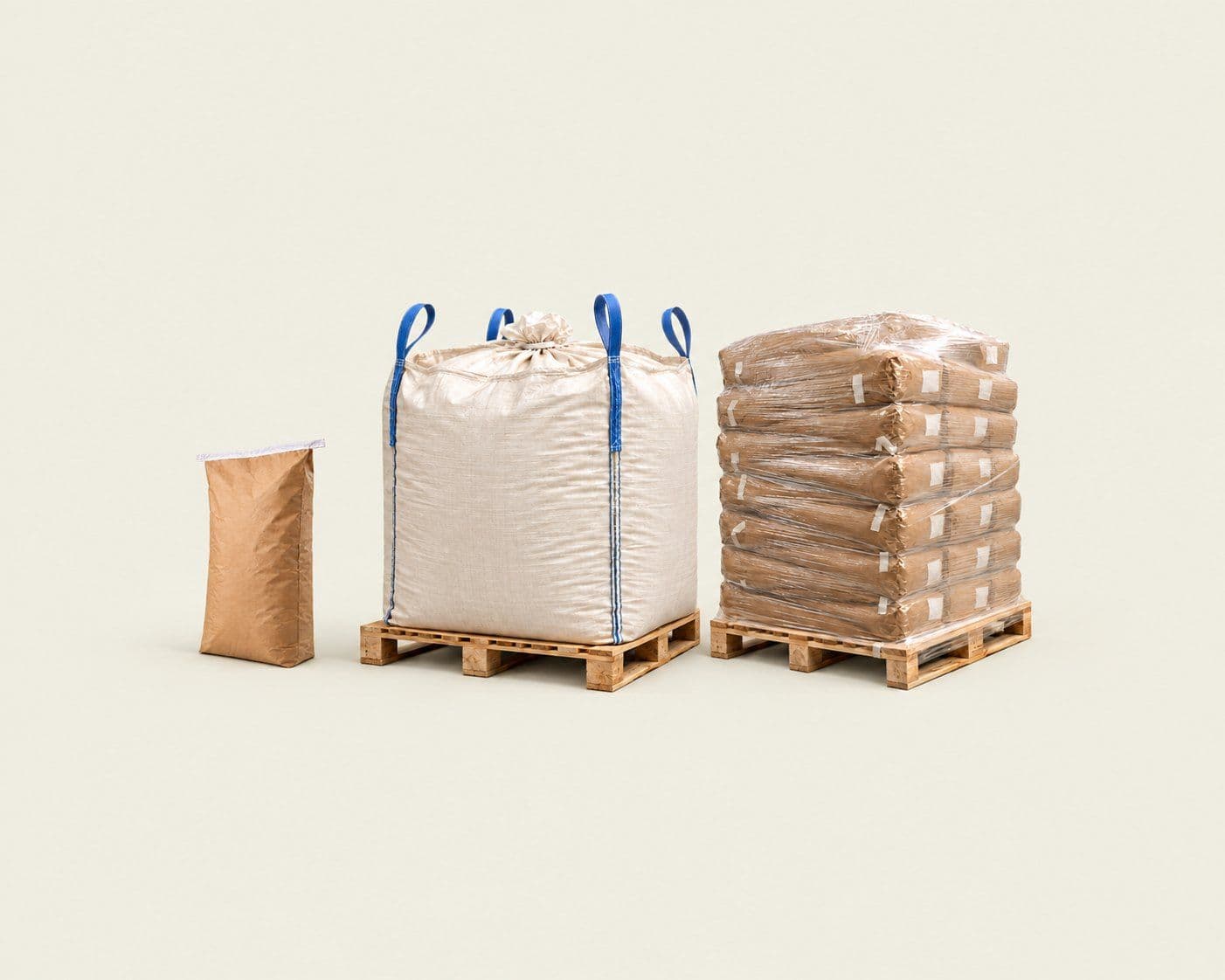
Ordering dehydrated potato - packaging, pallets, Incoterms
Ordering dehydrated potato starts with four decisions: packaging, Incoterms, lead time and documents. A first commercial order may be a single bag, standard lead time is 14 days, and volume thresholds apply only to an annual contract - where they lower the price per kilogram.
Read